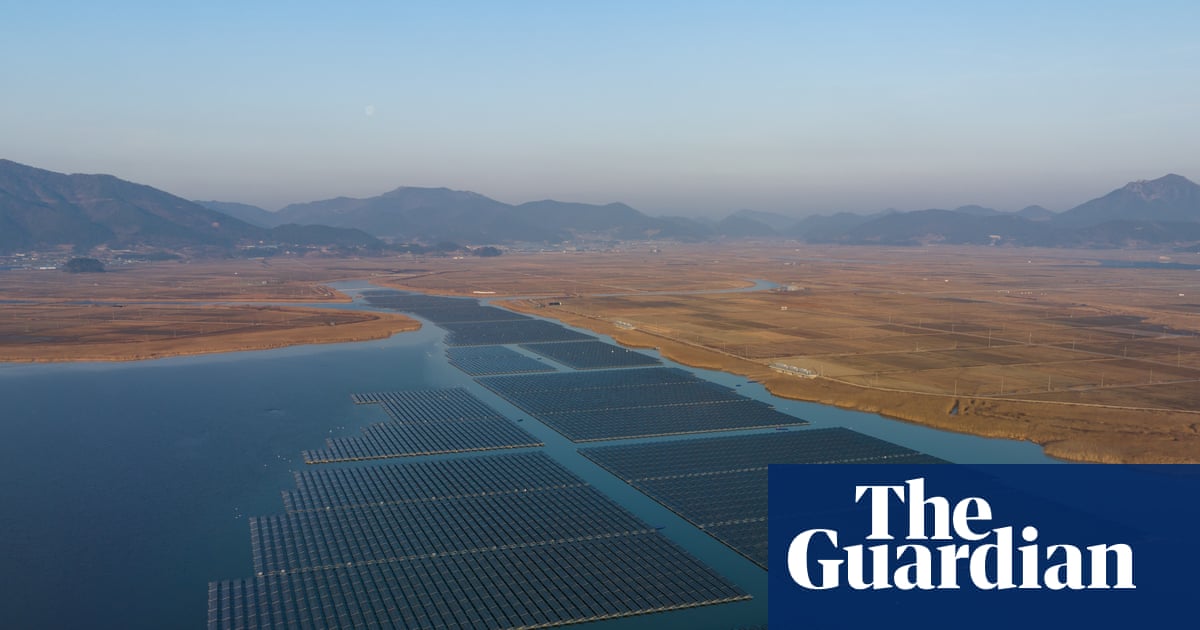
"The village deliberately chose to spend solar income on welfare rather than individual dividends, a decision Jeon says residents made themselves rather than being persuaded. If you divide money as individual income, people feel disconnected."
"Before the solar project launched in 2022, the village of about 130 people had no restaurant, no easy way to move around, and little communal infrastructure. Now solar revenue pays for meals, a village happiness bus for elderly residents, a table tennis facility, and cultural activities."
In Guyang-ri, a village near Seoul, residents benefit from a solar installation that generates significant monthly profits. These funds support free communal lunches six days a week, fostering stronger community ties among the 130 residents. The village prioritizes welfare spending over individual dividends, enhancing social connections. Since the solar project began in 2022, the village has improved its infrastructure, providing a happiness bus for the elderly and cultural activities. Guyang-ri serves as a model for South Korea's solar income village program, aiming to expand to 2,500 villages by 2030.
Read at www.theguardian.com
Unable to calculate read time
Collection
[
|
...
]