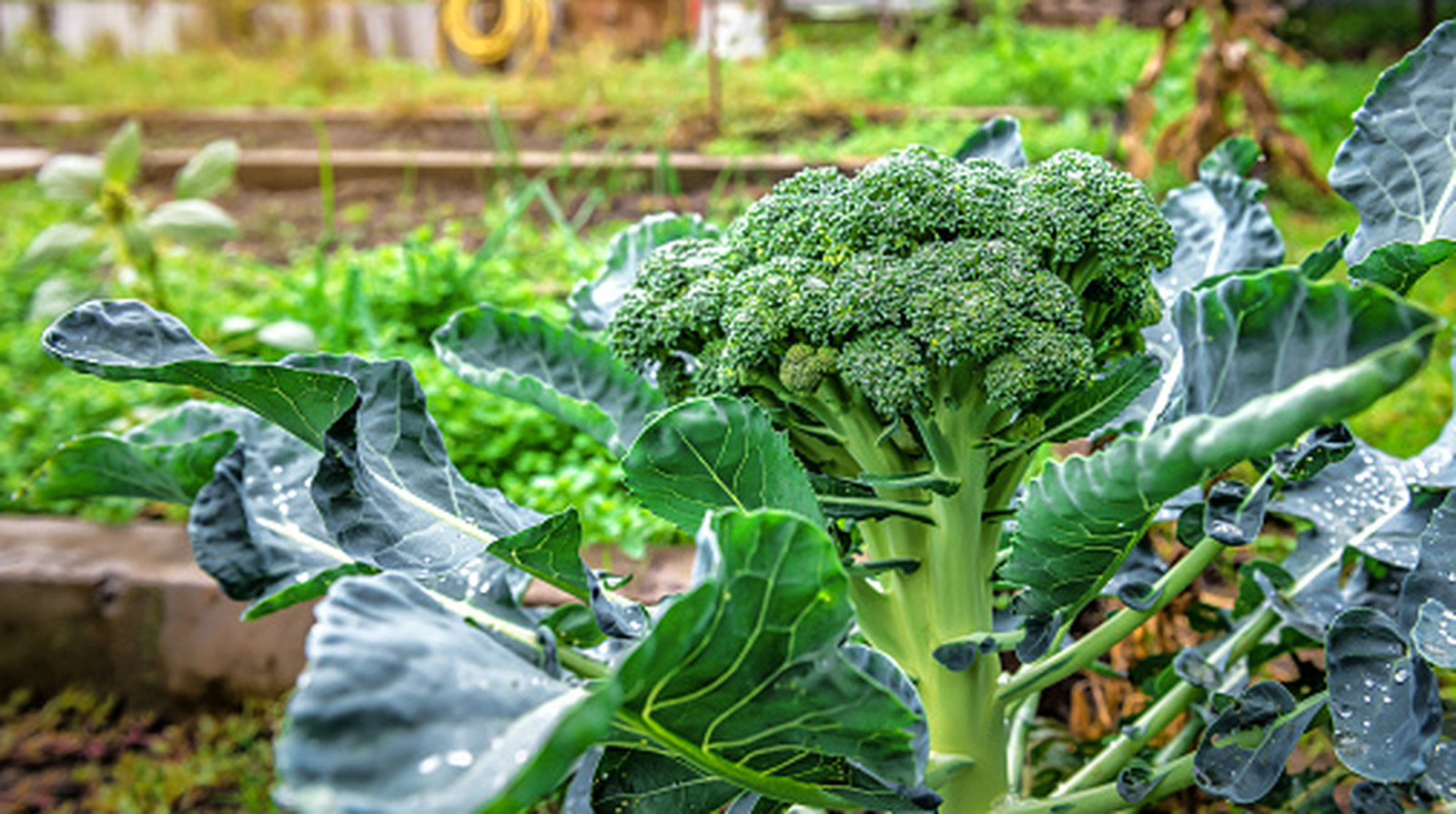
Broccoli is a nutritional cruciferous vegetable whose modern form originated through selective breeding rather than genetic modification. Vegetable breeding and cross-breeding create new plant varieties by selecting and combining existing plants with desired traits. Broccoli belongs to the Brassicaceae family, which includes cabbage, kale, cauliflower, Brussels sprouts, and collards. Early broccoli forms emerged around the 6th century B.C. from wild cabbage, also called wild mustard, and spread through the Eastern Mediterranean and Asia Minor, with concentrated cultivation in Italy. Broccoli reached America around the 1700s and later became widely popular. Wild broccoli does not grow freely because the current crop reflects long-term human cultivation and breeding.
"The broccoli you see in grocery stores today is man-made in the sense that it was selectively, purposely, and patiently bred back in ancient Roman times. Vegetable breeding and cross-breeding are now very common practices, essentially meaning that farmers create new plant varieties with desired characteristics by selective breeding of existing plants. Food growers have been doing this the natural way since long before the science of GMOs existed - including with the well-loved broccoli plant."
"Today's broccoli belongs to the close-knit Brassicaceae species that includescabbage, kale, cauliflower, Brussels sprouts, and collards, all shaped over time by people maximizing different edible parts of the plant. Broccoli's first iterations emerged around the 6th century B.C., deriving from wild cabbage (Brassica oleracea), also called wild mustard. Early versions proliferated in the Eastern Mediterranean region and Asia Minor, with concentrated cultivation happening in Italy."
"It eventually made its way to America around the 1700s, centuries before becoming what one Green Giant survey called "America's favorite vegetable" in 2022. It was a long journey to American soil, and the backstory explains why you'll never find wild broccoli growing freely on its own."
Read at Tasting Table
Unable to calculate read time
Collection
[
|
...
]