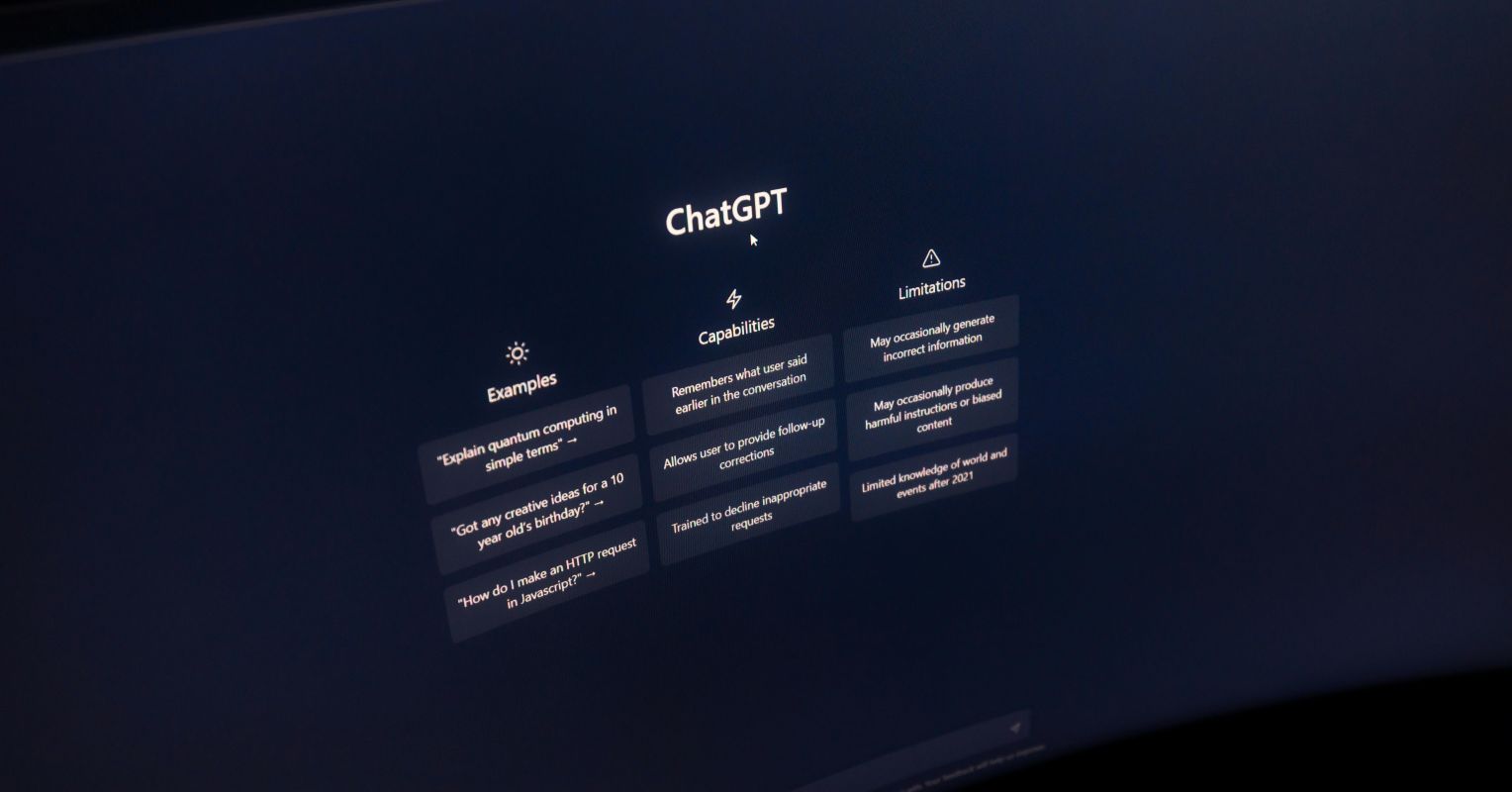
"Generative AI can feel like a superpower. Along with an efficiency boost, the sheer range of help it offers, from recipes to relationship advice, is tantalizing. But there are hidden risks. AI can make things so easy that we start outsourcing attention, memory, and confidence. We rely less on our judgment, reasoning, and self-soothing when faced with a problem. I noticed this tendency in myself when I began prompting ChatGPT for possible explanations and advice for a dental problem,"
"I know I'm not alone in leaning on my friendly, compassionate, and nerve-settling artificial assistant. Around 66% of people worldwide use some form of AI regularly, and about 500-600 million engage with AI daily (across all AI tools, not just chatbots). AI has become increasingly embedded in our work and home lives, with 34% of respondents in one survey saying they use it for personal and relationship advice, and 75% of workers saying they use AI as part of their jobs."
Generative AI provides wide-ranging, effortless assistance that boosts efficiency across tasks from recipes to relationship advice. Adoption is widespread: roughly 66% of people use some form of AI regularly, with about 500–600 million daily users across tools and ChatGPT reporting over 2.5 billion prompts per day among roughly 800 million weekly active users. A smaller group sends many more prompts daily, which can be problematic. Ease of use can lead to outsourcing attention, memory, judgment, and emotional self-soothing. Problematic GPT use correlates with compulsive internet use and low self-control. Remedies emphasize restoring intentional use, reintroducing healthy friction, monitoring reassurance-seeking, and reducing excessive prompting rather than quitting AI.
Read at Psychology Today
Unable to calculate read time
Collection
[
|
...
]