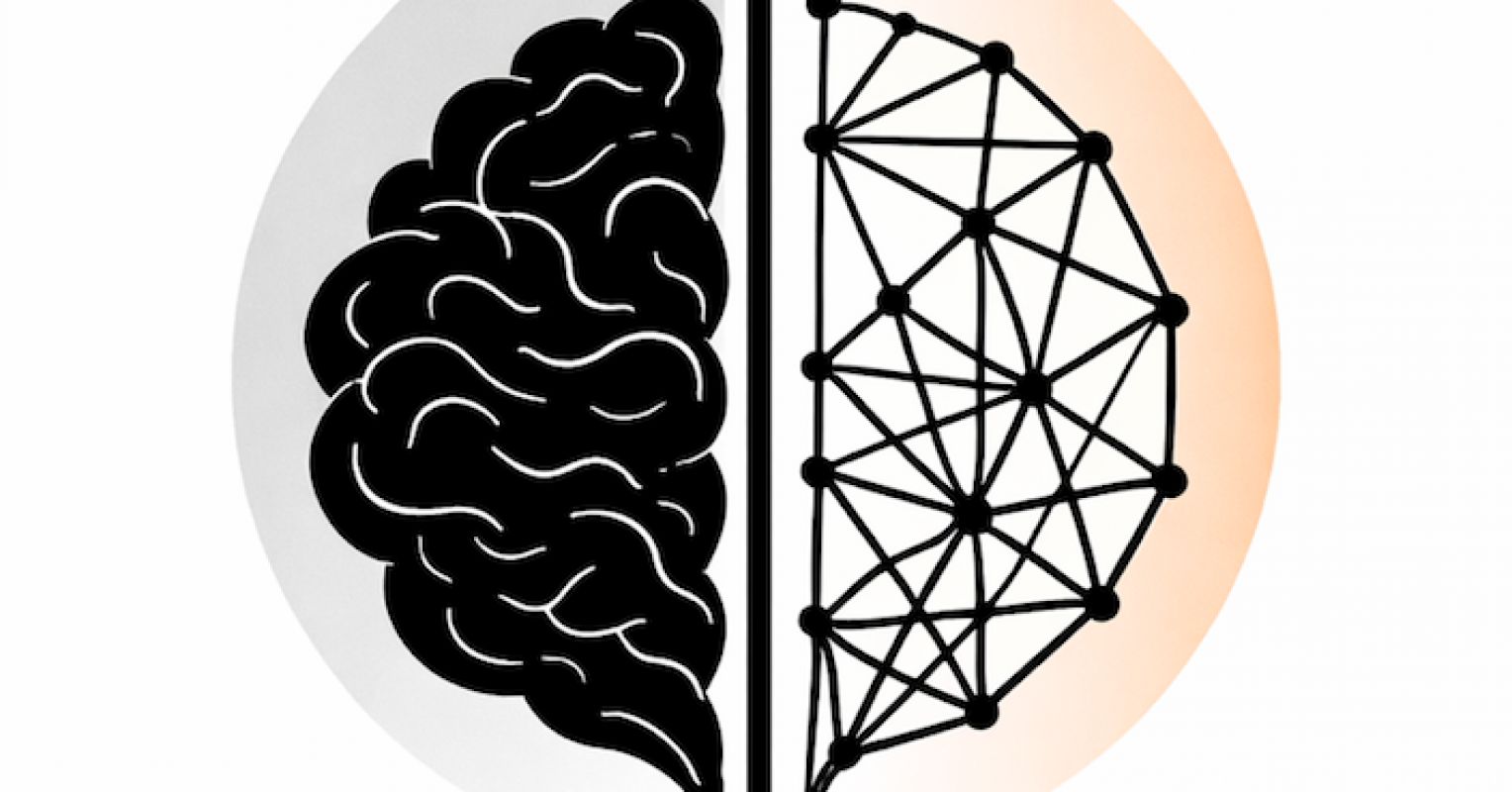
"What we're encountering in large language models is not a weaker form of thinking but a fundamentally different architecture operating behind the same medium. The term isn't meant to rank machine cognition below our own; it describes a structural inversion in how language can be produced."
"A recent paper in Nature Machine Intelligence notes that LLMs often behave in ways that are strikingly realistic in conversation yet remain fundamentally 'unhuman' in their underlying structure. It captures the strange condition where language that resembles human expression emerges from a system that has none of those human experiences."
Large language models operate through a structurally inverted architecture compared to human thought, producing language without the memory, experience, or existential stakes inherent to human minds. This difference is termed 'anti-intelligence'—not to suggest inferiority but to describe how language emerges from systems lacking human experiences. Scientific literature increasingly recognizes this distinction, noting that LLMs generate remarkably realistic conversation while remaining fundamentally unhuman in underlying structure. The real paradigm shift involves language production detached from conscious minds rather than machines becoming incrementally smarter. Historical parallels exist in physics, where mathematical frameworks revealed inverted structures that challenged intuitive understanding.
Read at Psychology Today
Unable to calculate read time
Collection
[
|
...
]