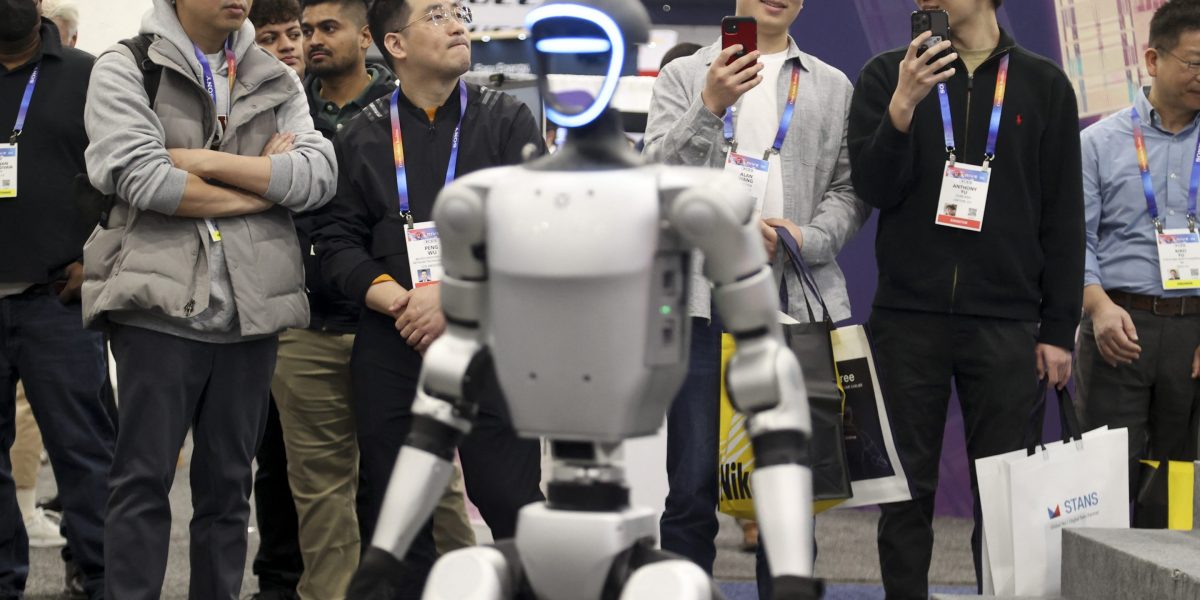
"With CES 2026 upon us and some predicting that the first affordable home robot will set off a technological race to market this year, those walking the conference floor in Las Vegas this week can expect thrilling robot demos and big promises we've been hearing since the 1960s. The explosion of AI has thrown the humanoid home robot hype machine into full tilt, and to be fair, an AI home revolution is indeed underway."
"For all the hype and advances in AI programming, over 46 percent of companies fail to turn their exciting, demo-ready proofs of concepts into something usable in the real world-in part because systems lack the data and experience to complete their AI training. In the home robotics space, being an early adopter puts a large portion of that training onus on users (paying users in fact) while also bringing up larger issues of privacy and safety."
CES 2026 has intensified interest in affordable humanoid home robots and high-profile demos. AI advances have accelerated expectations for home automation beyond Roombas and smart thermostats. Significant barriers remain, including limited training data, privacy risks, and social acceptance necessary for trusted caregiving tasks. Many AI projects fail to translate demos into real-world, reliable systems because of insufficient data and training experience. Early adopters often shoulder the training burden, effectively paying to improve systems while exposing privacy and safety concerns. Home robots will require near-perfect reliability and rigorous safety measures before widespread adoption.
Read at Fortune
Unable to calculate read time
Collection
[
|
...
]