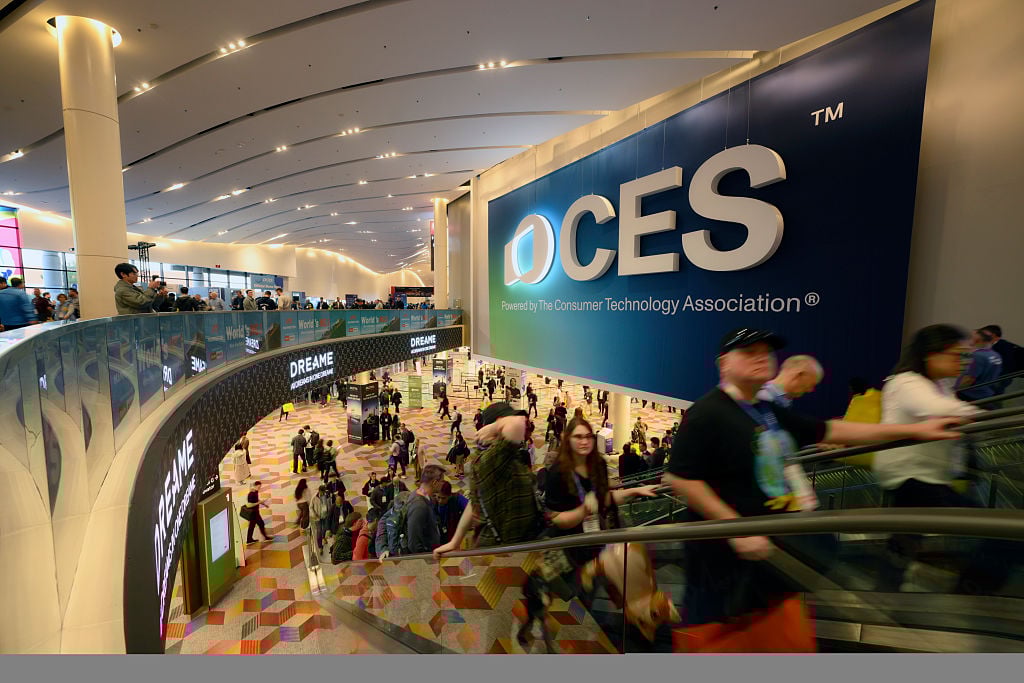
"Usually after a tech show closes down, I provide my takeaways and impressions based on what I witnessed and the sessions and events I attended. With a show of the size and with the huge number of sessions of CES, I could attend only a smidgen of what went on. But there were some consistent themes and trends throughout this year's show that were hard to miss. And these trends will ultimately impact legal in perhaps in ways yet to be seen."
"The major themes this year: AI, AI, and AI. It was everywhere, in every session, in every product, in every discussion. One could wonder whether there was really anything else going on or, for that matter, whether there are any AI challenges. AI was the underlying tool that made almost everything else discussed actually work. So, the real question is what are the top AI trends?"
"The top three AI areas emphasized at CES were agentic AI (which I wrote about), wearables (which I also wrote about), and robotics. But again, all of the discussions in these areas were premised on the use of AI and GenAI. Even when the talk was ostensibly about other things, it was still more or less happy AI talk."
AI was the pervasive theme at CES, appearing in sessions, products, keynotes, and exhibit floors. Agentic AI, wearables, and robotics emerged as the most emphasized AI domains. Digital health, physical AI, and autonomous vehicles were frequently mentioned, with advancements in these areas depending on underlying AI and generative AI. Robotics demonstrations relied on generative AI capabilities rather than purely mechanical innovation. Many products and discussions assumed AI as the enabling technology, and vendors framed innovations around AI functionality. The prominence of AI suggests substantial downstream effects across industries, including legal, as AI integration scales.
Read at Above the Law
Unable to calculate read time
Collection
[
|
...
]