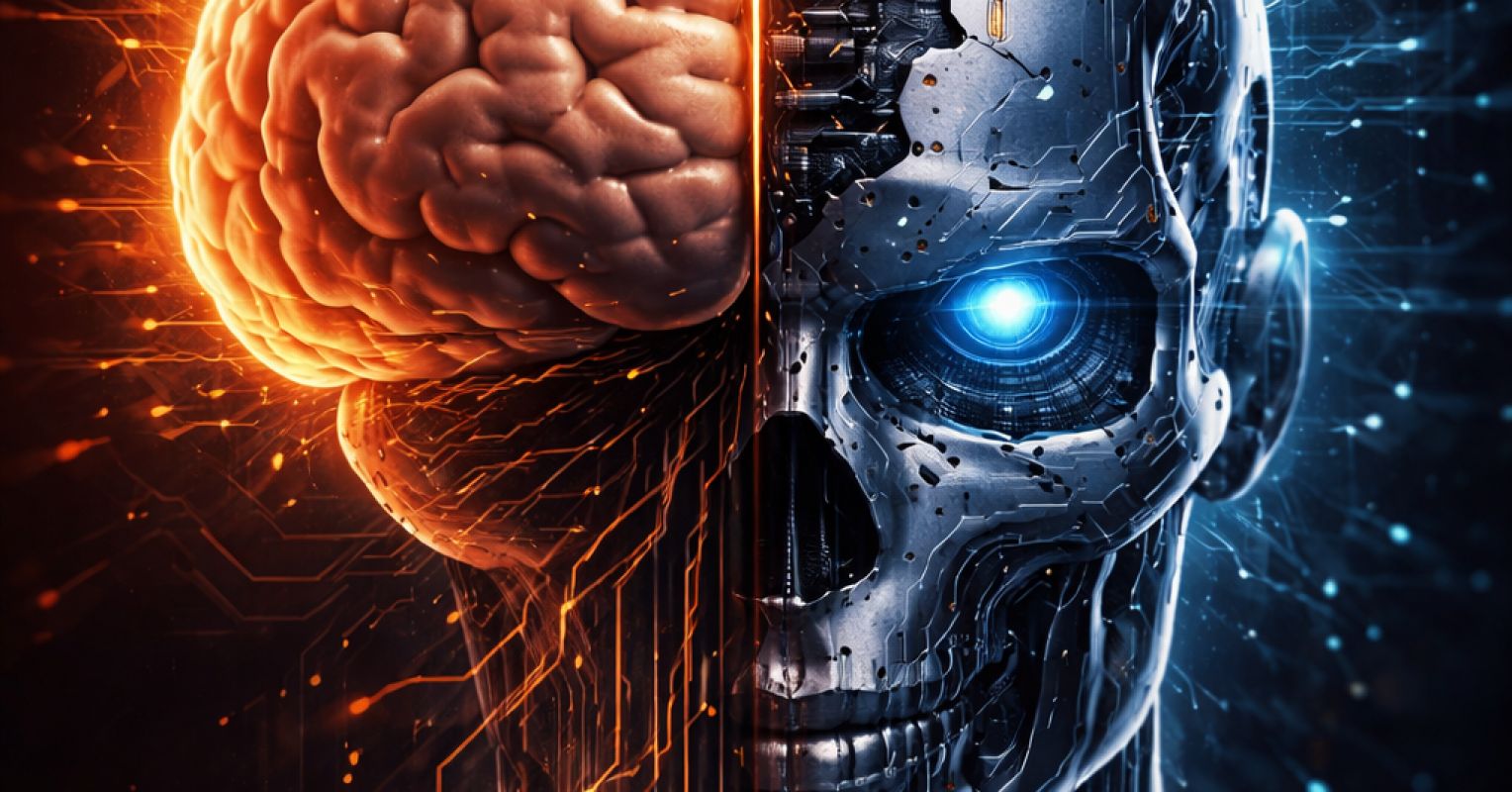
"We stand at a peculiar junction in human history. For the first time, the technologies we've created can speak back to us with uncanny fluency, craft images indistinguishable from photographs, and generate text that reads as if it came from an expert's pen. Simultaneously, these same technologies are learning to exploit the very cognitive shortcuts that helped our ancestors survive, shortcuts that now make us vulnerable to manipulation at unprecedented scale."
"The external artificial (human-made) threat is evolving faster than our natural internal defenses. Deepfake technology now produces audio and video so convincing that even expert forensic analysts struggle to detect manipulation. We've quickly moved beyond crude Photoshop jobs to AI-generated content that captures subtle lighting, natural speech patterns, and authentic emotional micro-expressions. The traditional advice to "trust your eyes and ears" has become dangerously obsolete, as has our tendency toward "seeing is believing.""
Human-made technologies now produce fluent speech, photorealistic images, and expert-quality text while simultaneously exploiting ancient cognitive shortcuts that create vulnerability to manipulation. The convergence of sophisticated artificial systems with innate human susceptibilities produces a crisis of hybrid intelligence characterized by scalable deception and persuasive manipulation. Adaptive resilience is necessary but not automatic, and internal defenses lag behind rapidly evolving external threats. Deepfakes and AI-generated media achieve subtle realism that challenges forensic detection and invalidates "seeing is believing." Algorithmic interlocutors tailor language, recall preferences, and trigger emotional responses, leveraging psychological insights to influence behavior at unprecedented scale, undermining truth and civic processes.
Read at Psychology Today
Unable to calculate read time
Collection
[
|
...
]