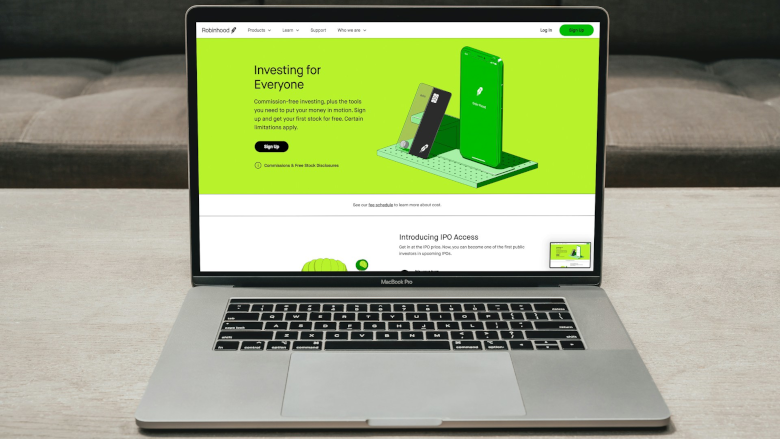
Robinhood launched agentic features that let customers deploy AI agents to make stock trades and credit card purchases. The company claims a safety-always approach using limited account access, spending controls, and the ability to disable agents. It also provides fraud detection, optional manual approvals, and trade previews when appropriate. Concerns focus on unclear responsibility if an agent makes harmful decisions, such as hallucinating, misunderstanding market conditions, or causing financial losses. Another concern involves the sensitivity of data and accounts that agents may access, including financial accounts and other personal or corporate systems. Additional security risk concerns relate to agents that can be manipulated or compromised before controls and accountability mature.
"“Allowing AI agents to trade stocks raises serious questions about responsibility and trust,” he says. “Money managers and licensed traders go through significant certification and oversight because people are trusting them with their money. If an AI agent gives bad advice, hallucinates, misunderstands market conditions, or makes a trade that causes someone to lose money, who is responsible? Is it the platform, the model provider, the agent, or the end user? And is that responsibility clearly defined?”"
"“The broader concern is the precedent this sets for putting too much trust in systems that can act on a user's behalf before the controls and accountability are mature. People are increasingly giving AI agents access to sensitive systems including financial accounts, health data, email, and corporate applications, all of which can have real-world consequences if the agent makes the wrong decision, is manipulated, or is compromised,” Fier asserts."
"“From a security perspective, the risk is that these agents often operat”"
Read at Securitymagazine
Unable to calculate read time
Collection
[
|
...
]