"From reproductive rights to climate change to Big Tech, The Independent is on the ground when the story is developing. Whether it's investigating the financials of Elon Musk's pro-Trump PAC or producing our latest documentary, 'The A Word', which shines a light on the American women fighting for reproductive rights, we know how important it is to parse out the facts from the messaging."
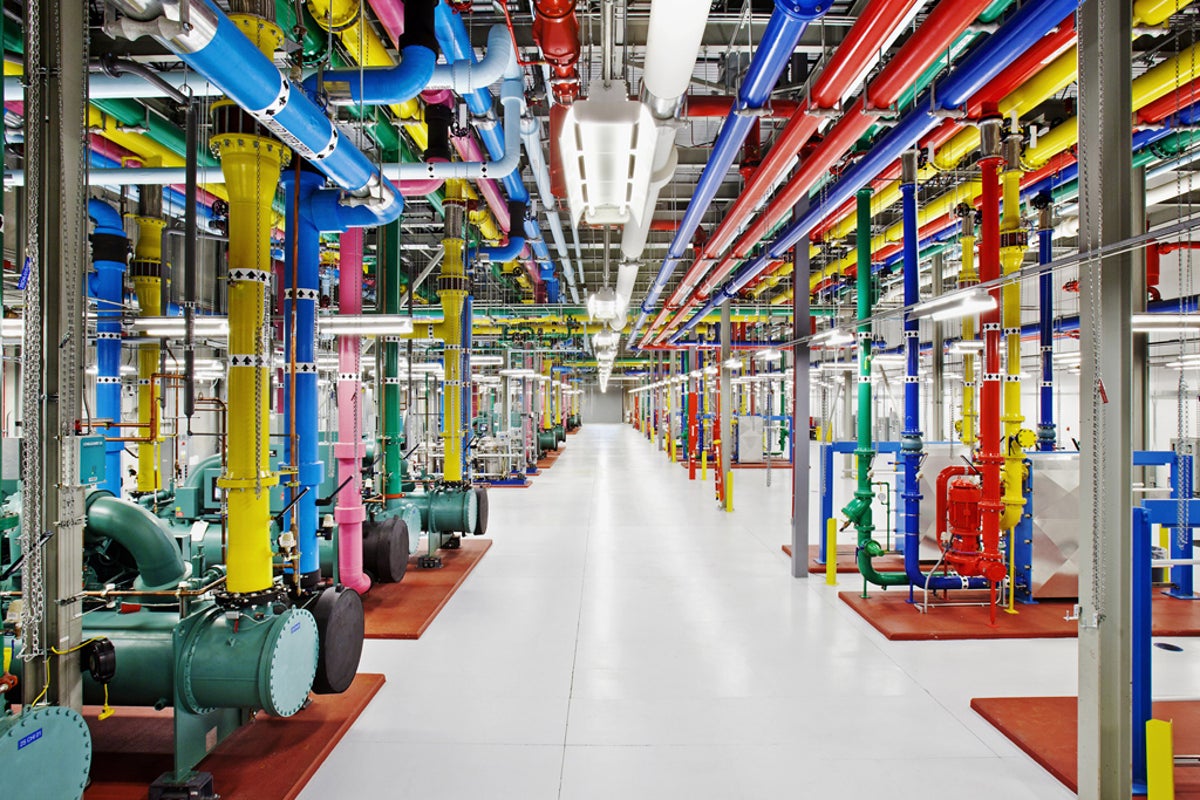
"Artificial Intelligence (AI)'s thirst for water has sparked widespread environmental fears, with many concerned that the rapidly advancing technology is putting further strain on the world's resources. Each prompt or question a person feeds AI will require energy and water to cool the data centre containing the software. The estimates of how much water AI is using have been widely debated, and different AI companies report varying numbers."
"Sam Altman, the chief executive of OpenAI, has said ChatGPT uses less than 1/15 teaspoon for an average query. A Google Gemini study claims an average AI prompt uses less than 0.3ml of water. But other estimates suggest it uses far more. Research from the University of California in 2023 calculated that ChatGPT drinks roughly 500ml of water for every 10 to 50 medium-length responses."
The Independent covers reproductive rights, climate change and Big Tech with on-the-ground reporting and documentaries such as 'The A Word', which focuses on American women fighting for reproductive rights. The outlet requests donations to fund reporters, emphasizes trust across the political spectrum, and maintains open access by avoiding paywalls, arguing quality journalism should be funded by those who can afford it. Artificial Intelligence's water demands have raised environmental concerns because each AI prompt requires energy and water for data-centre cooling. Estimates vary widely, from fractions of a millilitre per prompt to hundreds of millilitres, and projections warn of large increases in global water use by 2027.
Read at www.independent.co.uk
Unable to calculate read time
Collection
[
|
...
]