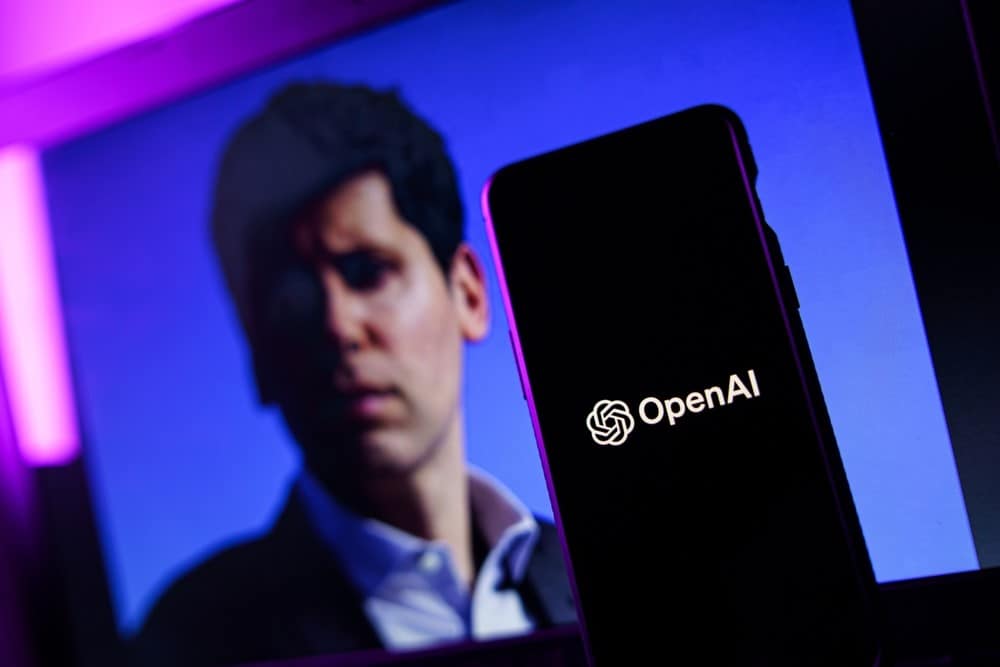
"There is no doubt that ChatGPT took Google by surprise. It couldn't be otherwise, given that the latter felt compelled to pit the initially weak Google Bard against OpenAI's chatbot. In Pichai's words, the initial launch was like pitting a souped-up Honda Civic against sports cars. AI blunders such as recommending glue on pizza in search engine results were clear signs that Google was taking risks to counter the threat from ChatGPT."
"For three years, no user has seen any advertising in the chatbot's interface. Since the launch of the service, however, more links have gradually appeared in AI responses, and there are constant rumors of new trial balloons for OpenAI to monetize ChatGPT. So far, that revenue model has not been found. In fact, increased competition is driving down prices for ever-improving LLMs, and protocols and frameworks such as MCP and Agent2Agent are democratizing the integration of these models."
ChatGPT's unexpected arrival forced Google into a 2023 'code red' after the company underestimated the threat and rushed Bard to compete. Early Bard missteps and risky search experiments signaled a fast, error-prone response, but subsequent development restored Google's competitive position. By late 2025, Google is positioned to offer both a competitive AI model and a broad ecosystem for businesses and consumers. OpenAI is exploring ads and other monetization options after years without interface advertising, while falling LLM prices, modular integration protocols, and weakened technological exclusivity have left OpenAI strategically uncertain.
Read at Techzine Global
Unable to calculate read time
Collection
[
|
...
]