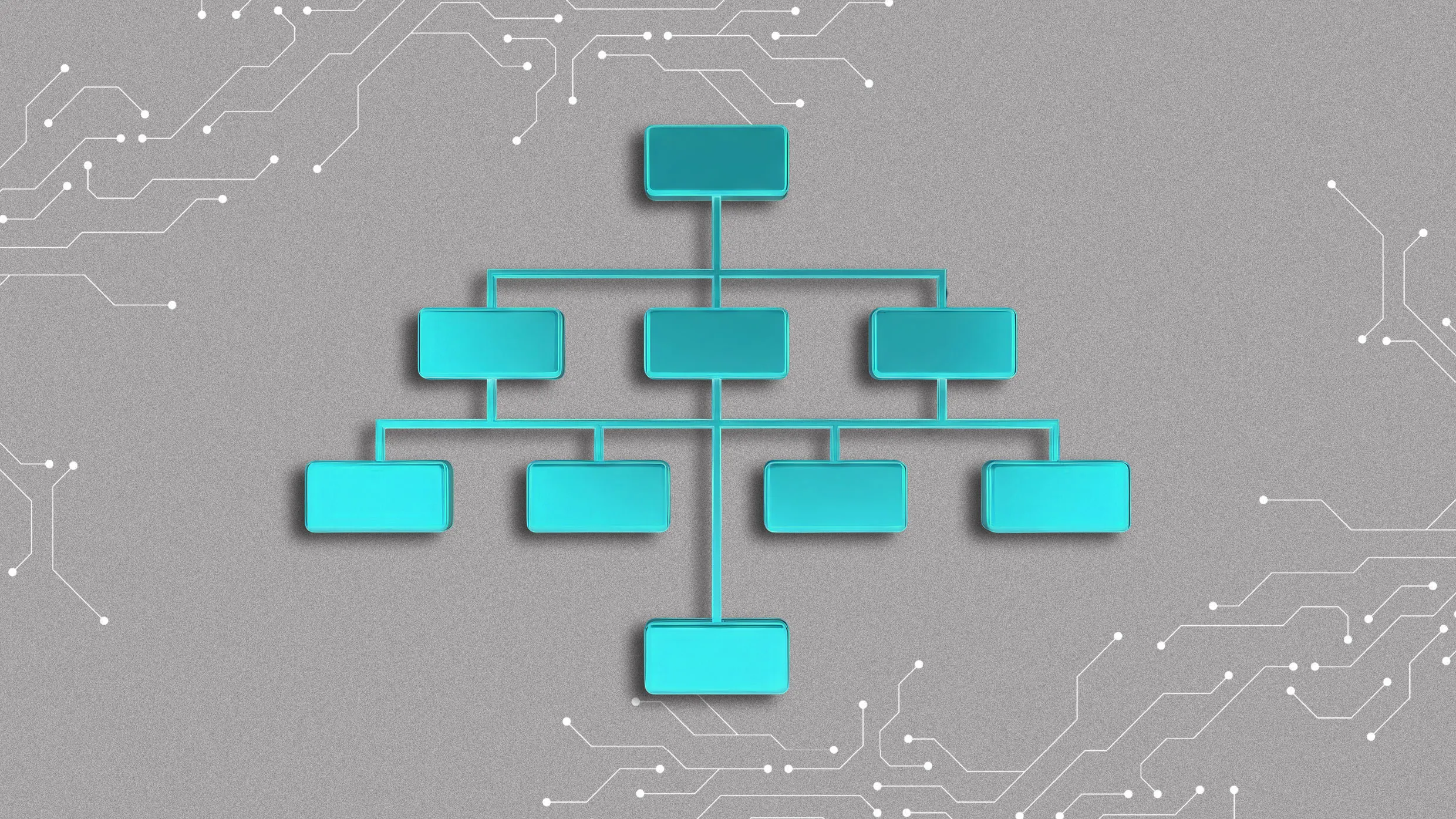
"Middle managers serve as a critical interpretive buffer between senior leaders and frontline operations. They do more than execute strategy. They translate, push back, and contextualize executive directions in the face of operational realities. Without this, organizations risk unfiltered top-down mandates that may be operationally impractical."
"AI excels at processing data, pattern recognition, and quantitative analysis. But middle management beats it every time in qualitative contextualization—understanding what the data means within frontline insights, historical nuance, and customer subtleties—that is essential to prevent data from misleading decision-making. Purely algorithmic interpretations can miss organizational subtleties without human input."
Organizations globally are experiencing the Great Flattening, a wave of layoffs targeting middle management driven by AI adoption. Amazon leads this transformation, streamlining corporate structures to reduce bureaucracy and accelerate decision-making. Agentic AI—autonomous tools executing complex workflows and predictive modeling—promises reduced labor costs and faster cycles. However, historical precedents reveal significant risks. Middle managers provide critical functions beyond execution: they filter strategic directives, contextualize data within operational realities, and prevent unfiltered top-down mandates. AI excels at quantitative analysis but lacks the qualitative contextualization that middle managers provide, understanding data within frontline insights, historical context, and customer nuances. Projections indicate 20% of firms will significantly reduce middle management by 2026, yet these dependencies must be addressed for sustainable success.
#ai-and-workforce-transformation #middle-management-elimination #organizational-dependencies #agentic-ai-adoption #great-flattening
Read at Fast Company
Unable to calculate read time
Collection
[
|
...
]