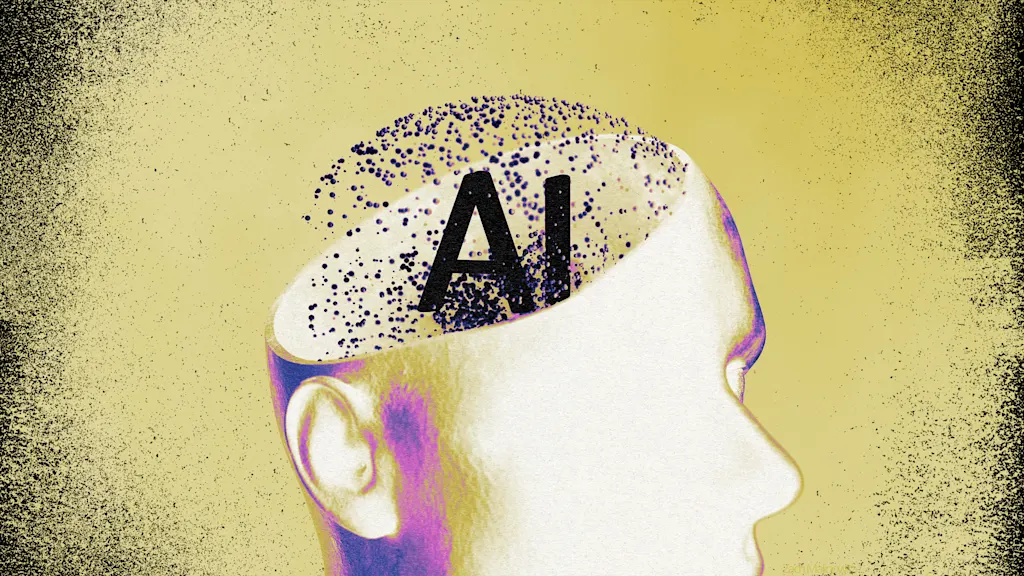
Prolonged engagement with artificial intelligence diminishes initial intimidation by exposing the technology's constraints and highlighting human judgment's essential role. Historical technological shifts consistently triggered similar anxieties, yet organizational fundamentals and human value creation remained constant. The future workforce will not be subordinate to machines but rather augmented by them, with humans remaining the critical variable. While AI dramatically accelerates task completion—reducing hours-long work to minutes—this productivity shift does not necessarily mean longer working hours or job obsolescence. Instead, it raises productivity expectations and redefines performance standards, requiring workers to adapt to elevated benchmarks rather than face displacement.
"The deeper you engage with it, the more the tool reveals its limits and, more importantly, the irreplaceable value of human judgment. I've worked with AI models and tools for more than a decade. From early machine learning applications in data analytics to the generative systems reshaping workflows today, I'm comfortable with the technology."
"Every major technological shift has triggered similar fears. What is different are the tools. What endures are the fundamentals of how organizations function and how people create value. Despite the headlines, we're not moving toward a world where humans are subservient to machines. We are entering the era of the AI-augmented workforce."
"AI can significantly increase output. Tasks that once required hours can now take minutes. It's never been quicker to draft, research, code, and provide analysis. That shift can feel intimidating, but it doesn't automatically mean longer hours or widespread irrelevance. It does, however, mean that the productivity ceiling has moved."
#ai-adoption-and-familiarity #workforce-augmentation #technological-change-and-anxiety #productivity-transformation #human-judgment-and-value
Read at Fast Company
Unable to calculate read time
Collection
[
|
...
]