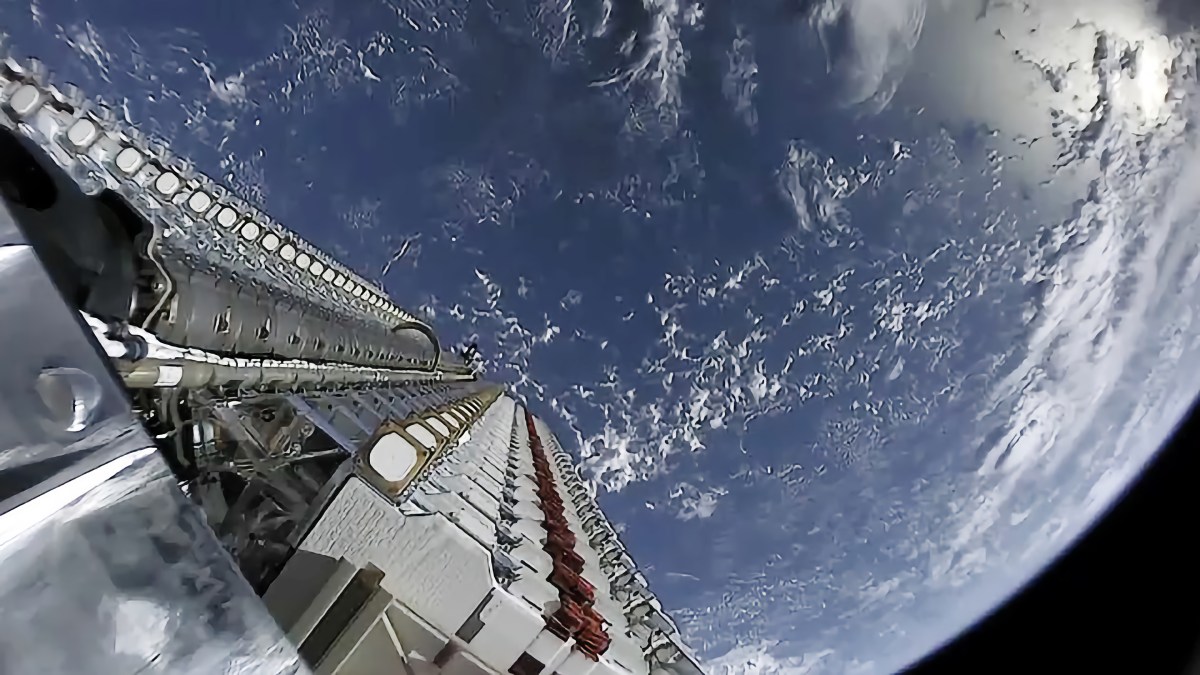
"Now, Musk sees an opportunity to realize a version of this vision. His company SpaceX has requested regulatory permission to build solar-powered orbital data centers, distributed across as many as a million satellites, that could shift as much as 100 GW of compute power off the planet. He has reportedly suggested some of his AI satellites will be built on the Moon."
"He's not alone. xAI's head of compute has reportedly bet his counterpart at Anthropic that 1% of global compute will be in orbit by 2028. Google (which has a significant ownership stake in SpaceX) has announced a space AI effort called Project Suncatcher, which will launch prototype vehicles in 2027. Starcloud, a start-up that has raised $34 million backed by Google and Andreessen Horowitz, filed its own plans for an 80,000 satellite constellation last week. Even Jeff Bezos has said this is the future."
"In a first analysis, today's terrestrial data centers remain cheaper than those in orbit. Andrew McCalip, a space engineer, has built a helpful calculator comparing the two models. His baseline results show that a 1 Gw orbital data center might cost $42.4B-almost three times its ground-bound equivalent, thanks to the up-front costs of building the satellites and launching them to orbit."
Elon Musk and SpaceX plan solar-powered orbital data centers across up to a million satellites to shift up to 100 GW of compute off Earth, with some satellites potentially built on the Moon. Multiple firms and initiatives, including xAI, Google’s Project Suncatcher, Starcloud, and Jeff Bezos, are pursuing similar space-AI ambitions and timelines. Early economic analysis shows terrestrial data centers remain cheaper: a baseline calculator estimates a 1 Gw orbital data center could cost about $42.4 billion, nearly three times the ground equivalent. Cost parity will require technology advances, massive capital investment, and resilient supply chains for space-grade components.
Read at TechCrunch
Unable to calculate read time
Collection
[
|
...
]