"Sam Altman warned that early versions of superintelligence could arrive by 2028, that AI could be weaponized to create novel pathogens, and that democratic societies need to act before they are overtaken by the technology they have built. These concerns are widely shared across the industry."
"Mustafa Suleyman, CEO of Microsoft AI, devoted much of his book The Coming Wave to the argument that AI's fusion with synthetic biology could put the tools to engineer a deadly pandemic within reach of a single individual. These are not warnings about a distant future."
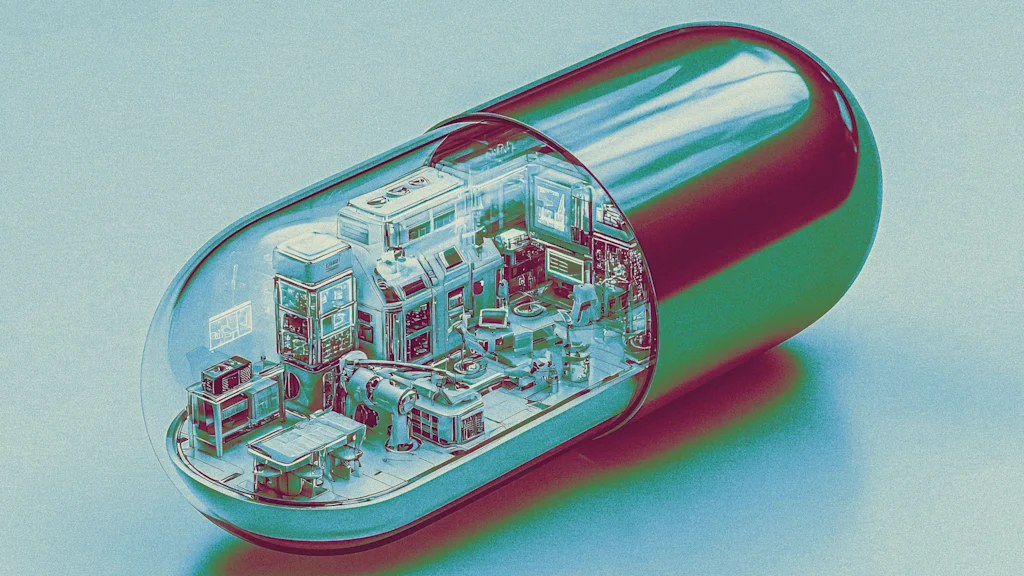
"The pharma model, in other words, is already the de facto governance framework for much of the industry. The problem is that it's the wrong framework-and the differences are not just technical but existential."
Leading AI researchers and executives warn of imminent superintelligence by 2028, potential weaponization through bioweapon creation, and threats to democratic societies. Geoffrey Hinton, Mustafa Suleyman, and Sam Altman highlight existential risks from AI surpassing human intelligence and its fusion with synthetic biology. Policymakers, including Senator Richard Blumenthal, propose adopting pharmaceutical industry regulatory models for AI oversight, citing successful management of dangerous technologies through licensing and testing. Many companies already implement pharma-style governance internally using stage-gate reviews and pre-deployment testing. However, this framework proves fundamentally inadequate for AI governance due to existential differences between pharmaceutical and AI risks.
Read at Fast Company
Unable to calculate read time
Collection
[
|
...
]