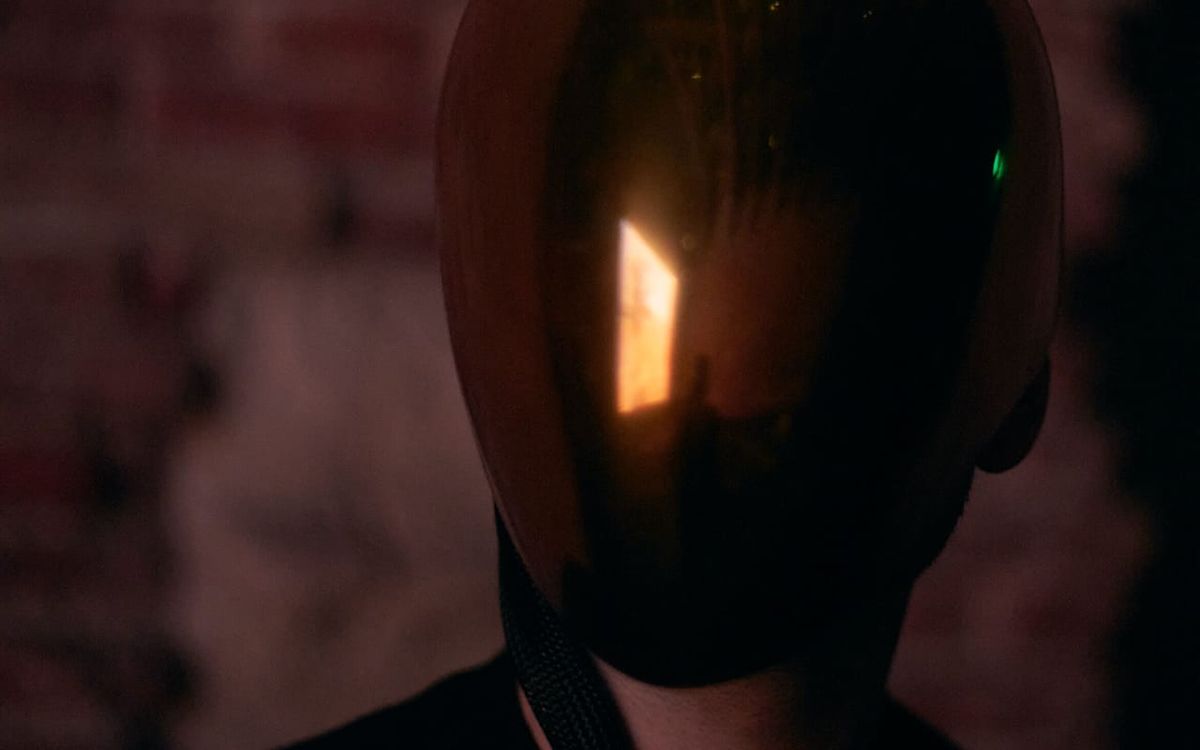
"One luminous summer day in June, my daughter and I stepped into Pierre Huyghe's exhibition at the Pinault Collection in Venice, Italy. The ambiance was truly dim, making it difficult to discern anything. In the first gallery, we approached a full-sized statue of a man with an eerie golden mask instead of a face, leading to a moment of confusion when we realized it was a human performer."
"Huyghe is part of a growing number of contemporary artists exploring the boundaries between the human and the nonhuman. Their work raises questions about the condition of being an individual person, especially in light of the US Supreme Court's Citizens United decision, which extended free speech rights to corporations."
"The Citizens United decision opened a flood of dark money and legal complexities, prompting discussions about whether entities like fetuses, dolphins, lakes, or robots should have human rights. These claims have been credibly advanced and demand urgent attention."
Contemporary artists, like Pierre Huyghe, are exploring the boundaries between human and nonhuman entities in their work. An encounter with a performer disguised as a statue highlights the complexities of personhood. The discussion of personhood gained traction after the Citizens United decision, which extended free speech rights to corporations. This shift has led to debates about the rights of various entities, including fetuses, dolphins, and AI. Artists are increasingly engaging with these themes, prompting urgent conversations about the nature of personhood and the implications of art interactions.
Read at Hyperallergic
Unable to calculate read time
Collection
[
|
...
]