Around 530 BC, a public museum opened in Ur, Mesopotamia, within a palace complex and displayed regional artifacts with informational labels in multiple languages. Modern museums now use digitized collections, social media, and virtual reality to enable new forms of interaction. A deeper change is redefining museums as spaces that prioritize viewers and foster engagement and participation while addressing broader societal needs. The International Council of Museums adopted a 2022 definition that emphasizes inclusivity, diversity, and community participation as essential museum work. Earlier definitions focused on serving society without requiring involvement. Participatory approaches have been embraced strongly in Latin America, including citizen and community-led museums, and later through social museology centered on living people.
"Around 530 BC, the world’s first public museum opened its doors in the Mesopotamian state of Ur, in modern-day Iraq. The curator was a priestess princess, and the museum was part of the palace complex, displaying artifacts from the region with informational labels in multiple languages. Fast forward some 2,500 years, and museums no longer only offer stationary exhibits accompanied by written information."
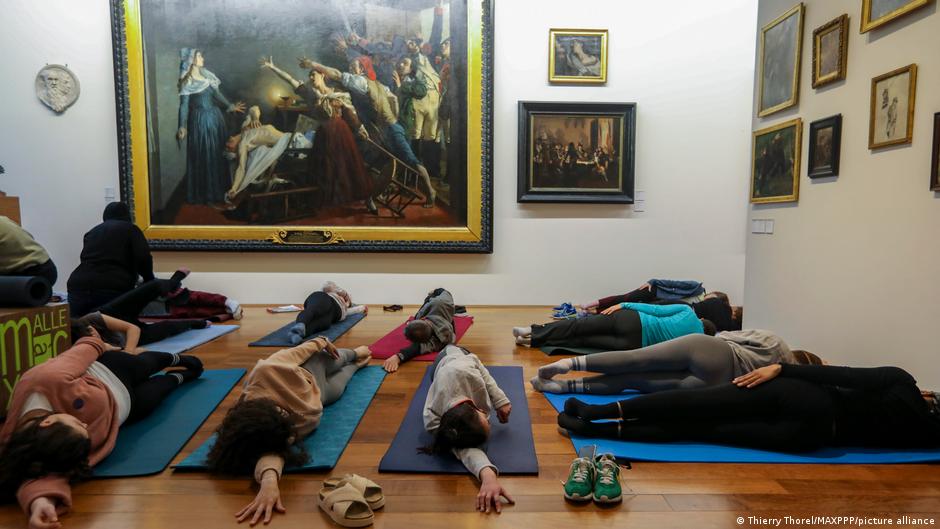
"It is a shift in focus from the objects on view to those doing the viewing, as museums become places that foster engagement and participation while serving broader societal needs. The Seddulbahir Fortress museum, in Canakkale, Turkey, runs oral history projects incorporating local voices into the museum narrative; it is nominated for European Museum of the Year Image: Egemen Karakaya A new museum definition for a new era"
"Museums are moving in this direction. He pointed to the current definition of a museum by the International Council of Museums, a global NGO that promotes and furthers heritage work. Adopted in 2022, it specifically recognizes inclusivity, diversity and community participation as essential aspects of museum work a marked departure from the previous definition, which named serving society, but not involving it."
"When it comes to specific regions, Latin America has particularly embraced participatory practices, Debono said. There, ideas of museums as places of participation and inclusion, such as citizen and community-led museums, can be traced back to the 1970s. A few decades later, the concept of social museology emerged, which focused not on objects but on living people, espec"
#museum-evolution #community-participation #inclusivity-and-diversity #oral-history #social-museology
Read at www.dw.com
Unable to calculate read time
Collection
[
|
...
]