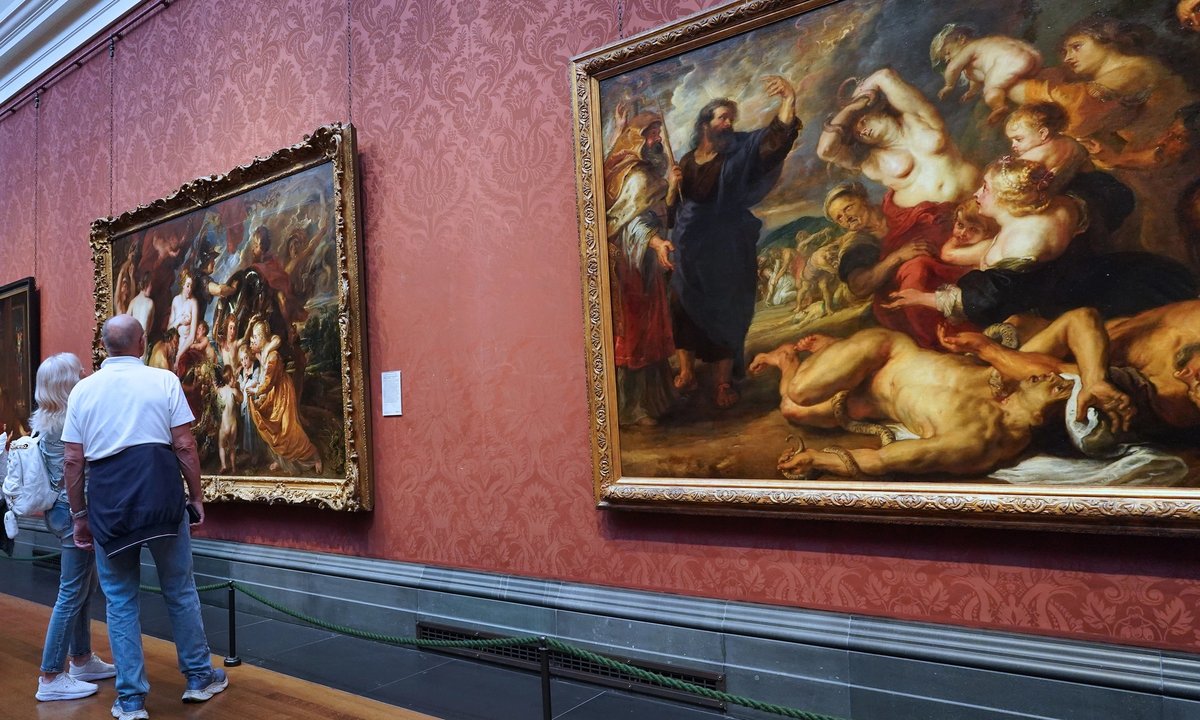
UK museums are introducing citizens' assemblies to involve members of the public in defining future policy, direction and funding priorities. The National Gallery launched an NG Citizens panel to put audiences at the heart of decision making, while Birmingham Museums Trust convened a 26-person citizens' jury in 2024; the Imperial War Museum and London's Migration Museum plan similar assemblies. The National Gallery frames the approach as a culture-shaping step that deepens relationships with audiences and ensures relevance, inclusivity and reflection of the public, describing it as collaboration rather than consultation. Museums' relative public trust positions them to model deliberative democratic practice.
"Citizens' assemblies have been gaining momentum in countries around the world, making decisions on issues ranging from national constitutions to electricity supply, from public transport to municipal budgets. Advocates say they can help raise awareness of policy-making in the general public, increase the public's sense of democratic agency, build bridges between diverse communities, and give institutional policy-makers greater insight into the views of informed citizens, representing a cross-section of society, after debate."
"Lucy Reid at Democracy Next, a Dutch research and advocacy group, says that museums can play a particularly important role in advancing the use of such panels. "Museums are relatively trusted compared to many institutions, which means they have a responsibility-and an opportunity-to model what democratic decision-making can look like," says Reid, whose organisation has advised BMT and two German museums, the Bundeskunsthalle in Bonn, and the Decorative Arts Museum of the Dresden State Art Collections,"
Read at The Art Newspaper - International art news and events
Unable to calculate read time
Collection
[
|
...
]