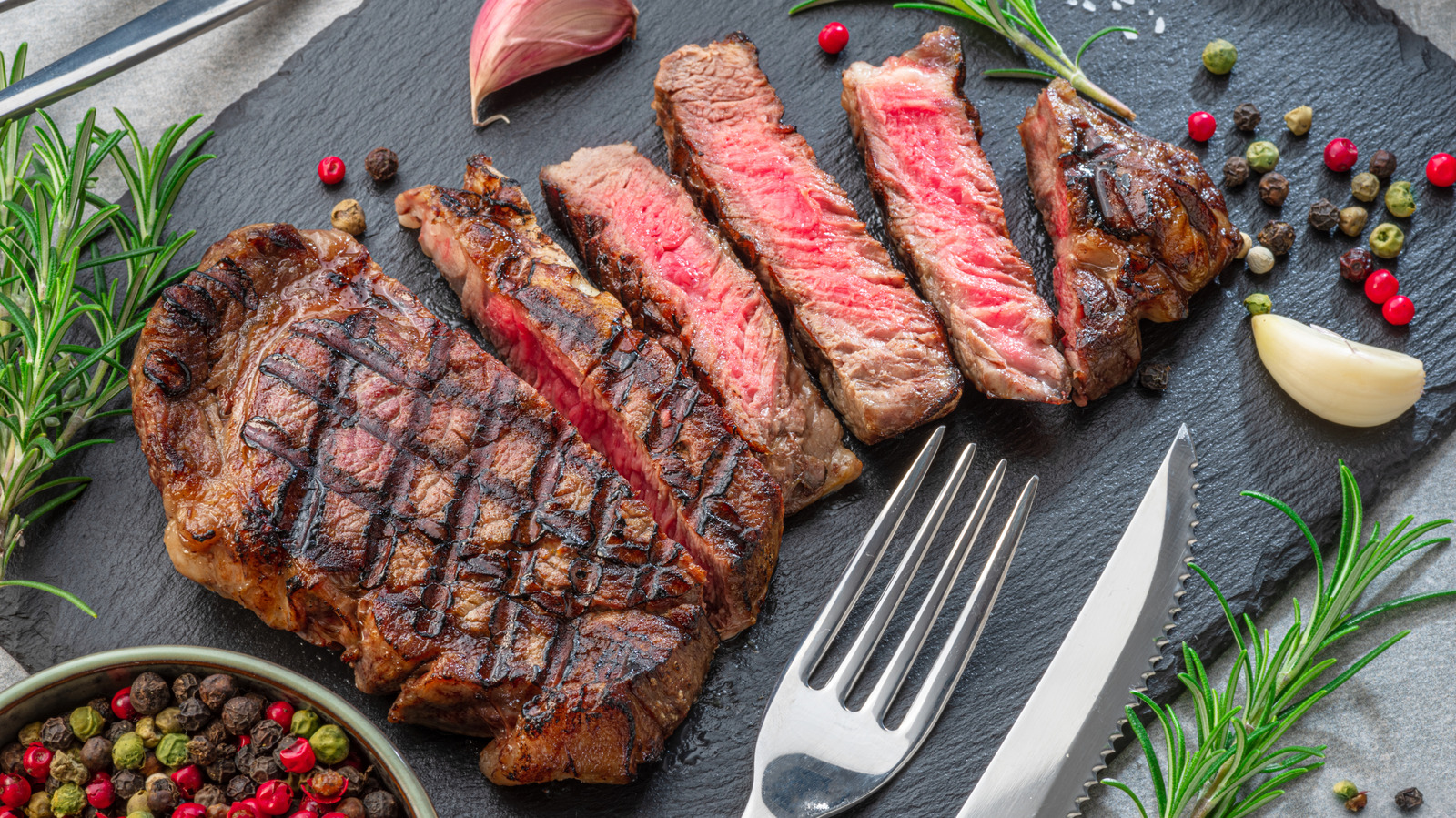
"Switzerland has among the strictest animal welfare laws in the world. In Switzerland, farmers have to follow strict rules on how they treat their animals. Cattle need more space to move, pigs can't be castrated without anesthesia, and laying hens haven't been kept in battery cages since 1992. All these drive up production costs across the board - more staff to manage larger facilities, higher veterinary costs, and better housing systems."
"The price of Swiss beef is hugely inflated due to the country's strict animal welfare laws. When animals get better treatment, raising them costs more money, and all those extras are passed down to the Swiss consumers. Switzerland protects its farmers by closing itself off from the global market. The country isn't part of the EU's internal market, so imported meat cannot easily compete with domestic production."
Switzerland leads globally in beef prices at $69.88 per kilogram, significantly higher than other developed nations. A basic McDonald's cheeseburger costs approximately $8, while premium steaks exceed $50. This dramatic price difference stems from two primary factors: Switzerland's exceptionally strict animal welfare regulations requiring more space for cattle, anesthesia for pig castration, and elimination of battery cages for laying hens since 1992. These requirements substantially increase production costs through additional staffing, veterinary expenses, and improved housing systems. Additionally, Switzerland's agricultural protectionism isolates its market from global competition, preventing price moderation through imports and maintaining high domestic prices for consumers.
Read at Tasting Table
Unable to calculate read time
Collection
[
|
...
]