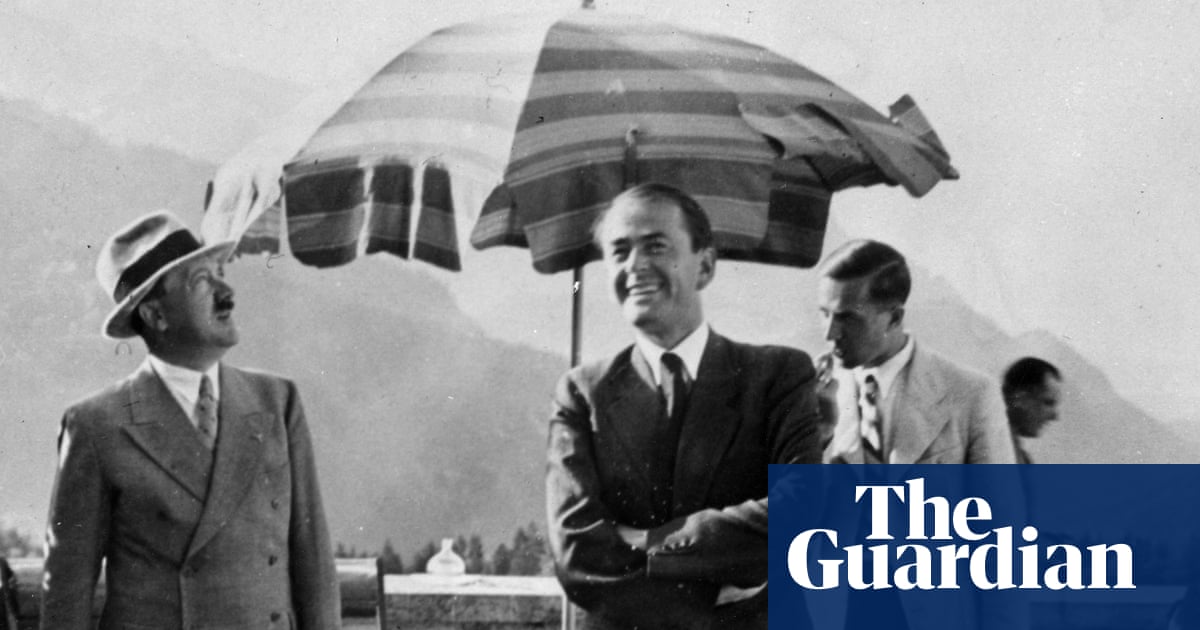
"Wiesenthal's friendship with Speer was a private echo of the extraordinarily warm international welcome that Speer received as a public intellectual after his release from Spandau prison in 1966."
"Speer's rehabilitation was a masterpiece in duplicity, allowing him to become an authority on the endlessly fascinating topic of Adolf Hitler's personality and psyche."
"Orengo's book is not a biography, in that it is not concerned with exhaustivity and does not offer any pretense of comprehensive analysis."
In April 1975, Simon Wiesenthal wrote to Albert Speer, thanking him for a psychology book and sharing his memoir. Their correspondence included personal notes and holiday wishes, ending with a message from Speer's widow after his death. Speer, a Nazi war criminal, received a warm welcome as a public intellectual post-prison, despite his past. His claims of responsibility for Nazi crimes allowed him to mislead many, including Wiesenthal, about his knowledge of extermination camps. French author Jean-Noel Orengo's novel explores Speer's dual life as Hitler's architect and a seemingly repentant figure.
Read at www.theguardian.com
Unable to calculate read time
Collection
[
|
...
]