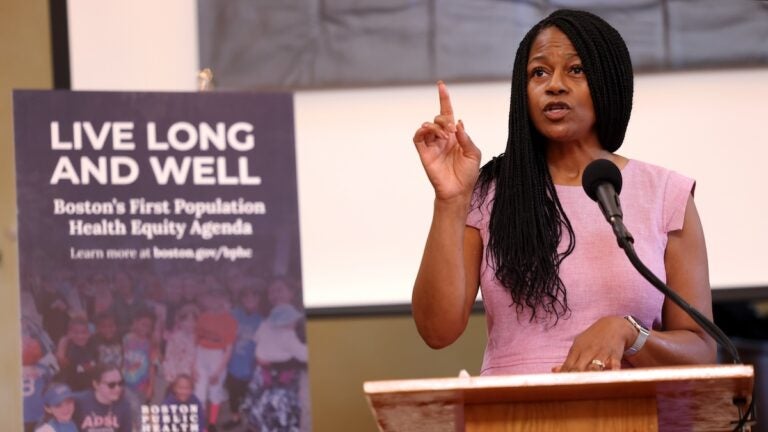
"By 2024, that 3.3-year gap more than doubled to 6.6 years, the city said. Black life expectancy is 76.2 years, while the rest of Boston's is 82.2, according to the Closing the Gap: An Examination of Life Expectancy Among Black Residents in Boston report released last week."
"Between 2022 and 2024, Black men lived 9.3 fewer years than other men in Boston, and Black women lived 6.4 fewer years than other women, the report found. Unintentional overdose, cancer, and cardiometabolic disease are the three leading causes for premature mortality for Black Bostonians, the report indicates."
"Boston cannot call itself a healthy city while Black residents continue to die years earlier than their neighbors. This widening life expectancy gap is the result of systemic inequities, not individual choices, and it is preventable."
Boston's Black residents face a widening life expectancy crisis, with the gap between Black and non-Black residents doubling over eleven years. In 2013, Black Bostonians lived 77.8 years compared to 80.5 for others. By 2024, Black life expectancy declined to 76.2 years while non-Black residents reached 82.2 years. Between 2022 and 2024, Black men lived 9.3 fewer years than other men, and Black women lived 6.4 fewer years than other women. Unintentional overdose, cancer, and cardiometabolic disease are the leading causes of premature mortality for Black residents, with homicide being significant for Black men. The Boston Public Health Commission released this inaugural report as part of its Live Long and Well Agenda, accompanied by a $1 million investment to address these systemic inequities.
#health-disparities #life-expectancy-gap #racial-inequity #boston-public-health #systemic-inequities
Read at Boston.com
Unable to calculate read time
Collection
[
|
...
]