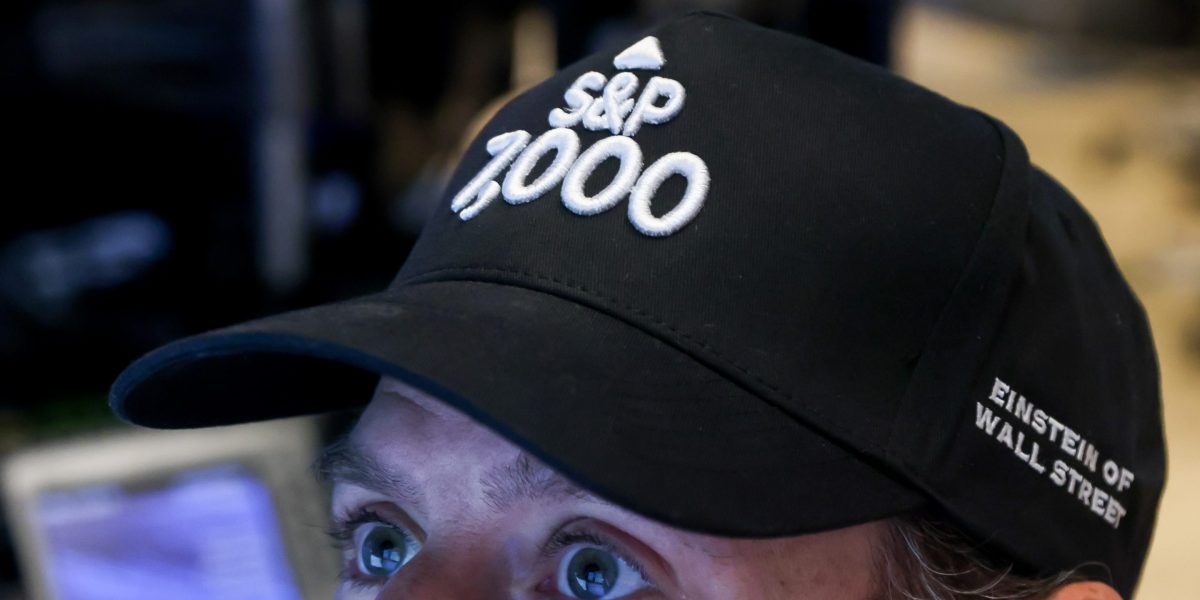
"Despite the skyrocketing valuations of the Magnificent Seven and anxiety over massive AI capital expenditures, one top economist argues that the U.S. stock market is missing the most critical ingredient of a financial mania: the exit of the "smart money." Owen Lamont, a portfolio manager at Acadian Asset Management and a former University of Chicago finance professor, said that while the market looks and feels frothy, we are not currently in an AI bubble."
"To Lamont, the tell-tale sign of a bubble is equity issuance, when corporate executives, the ultimate insiders, rush to sell overvalued stock to the public. "Part of the reason I think there's not a bubble is I don't see the smart money as acting like there's a bubble," he told Fortune. "Maybe I should say there's not a bubble yet.""
Skyrocketing valuations among major tech firms and heavy AI capital expenditures have increased market frothiness, but the classic bubble signal—insider-driven equity issuance—remains absent. The primary indicator of past bubbles has been companies rushing to sell shares to public investors, a pattern seen in events such as the South Sea Bubble and the dotcom collapse. Current corporate behavior shows reduced equity issuance rather than issuance spikes, and the recent S&P 500 milestone occurred without a flood of new public listings. The absence of smart-money exit through equity sales suggests conditions have not matched historic mania dynamics.
Read at Fortune
Unable to calculate read time
Collection
[
|
...
]