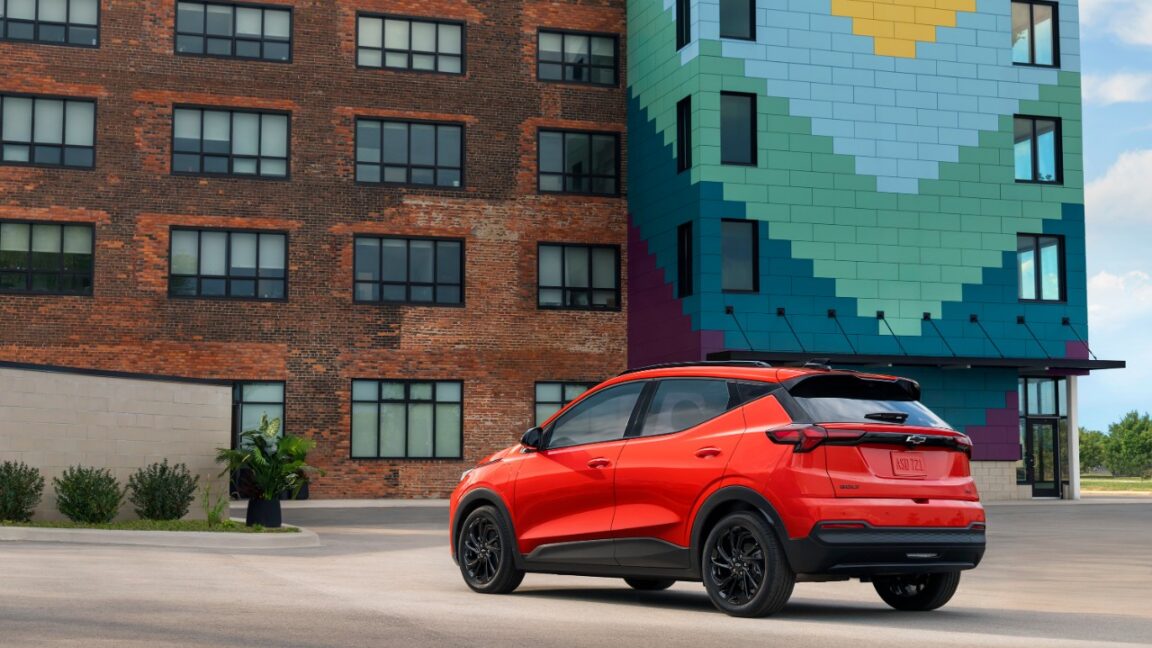
The Bolt was reengineered with different cells, modules, and electronics while retaining the original size and mounting points. GM's LFP factory will not produce cells until next year, so the company is importing LPF cells from CATL in China and absorbing tariffs. October pricing starts at $28,995 plus delivery for the LT and $32,995 for the RS, with a cheaper model promised later. The MY27 Bolt sacrifices torque and phone-casting capability. EPA range is 262 miles, and fast charging jumps to as much as 150 kW for a 10-80% charge in about 26 minutes. Chevy reports dealer availability but lists the return as limited.
"Reengineering the Bolt for a new battery pack wasn't the work of a minute. The cells, modules, and electronics are all different but had to fit in the same size space with the same mounting points as the original. And GM's own LFP factory won't be producing cells until sometime next year. Which means for now, GM is importing LPF cells from CATL in China, paying costly tariffs in the process."
"For the record, this is more expensive than the Bolt EUV we reviewed in late 2022, particularly once you take trim levels into account. And of course, there's now no way to cast your Apple or Android phone to the new infotainment system. And the MY27 Bolt makes far less torque than the Bolts we were used to driving, which may well mean a very different on-road experience, given how important that tidal wave of torque is to how an EV feels."
"Better news is that fast charging is almost three times more powerful. Where the old Bolt topped out at 55 kW, often infuriating other EV drivers waiting for them to hurry up at overcrowded charging stations, the new car will reach rates of up to 150 kW, meaning a 10-80 percent charge should take as little as 26 minutes, not close to an hour."
Read at Ars Technica
Unable to calculate read time
Collection
[
|
...
]