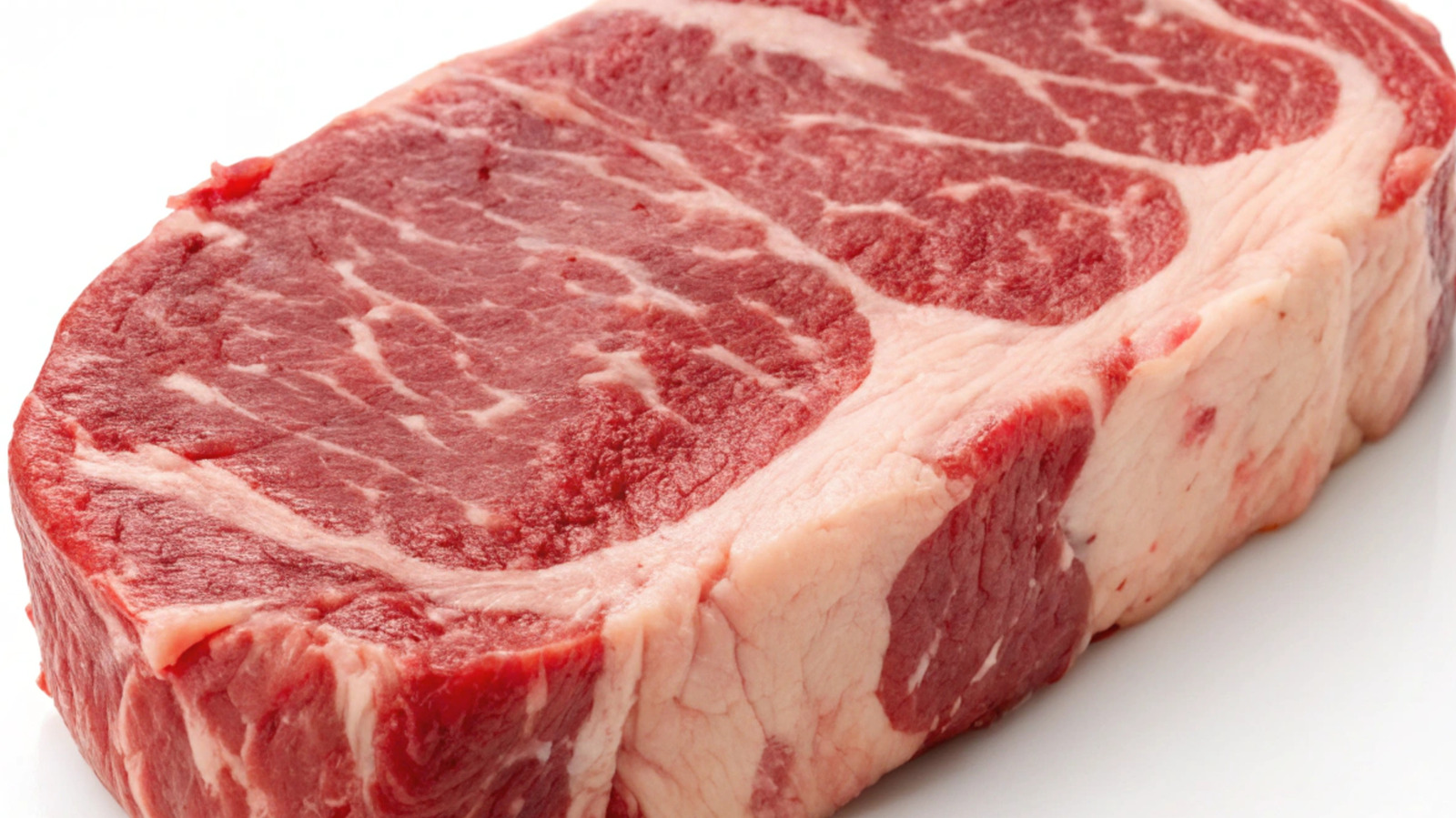
Marbling refers to intramuscular fat streaks within lean beef muscle that melt during cooking, basting the meat from the inside and producing tenderness, juiciness, and flavor. Fine, web-like, lighter-colored ribbons of fat distributed evenly throughout the muscle create soft, buttery steaks, while thick, chunky fat ribbons produce overly fatty texture. Marbling quality depends on breed, feed, animal welfare, butchery, cooking technique, and grading standards such as USDA categories. Higher degrees of desirable marbling command premium prices. Assess marbling by composition, distribution, and texture rather than only quantity to select the best eating-quality steaks.
"For many beef lovers and chefs, marbling is one of the most important aspects of steak quality. Unlike the thick fat cap found on the outside of a piece of steak, marbling refers to the streaks of intramuscular fat dispersed within the lean muscle of beef. This is integral to an elevated steak-eating experience. As the steak cooks, the fat melts, basting the meat from the inside, leaving you with a flavorful and tender piece of meat."
"If good marbling results in juicy, soft, buttery steaks, then great marbling results in premium steaks, often accompanied by a premium price tag. Just like when choosing the right cut of steak, there's more to marbling than meets the eye. From breed, feed, and animal welfare to cooking practices and USDA grading, there are key nuances that impact the quality of marbling."
"Baker of the Patina Steakhouse in Newlands, Cape Town, has been a chef for over 40 years. After an illustrious career in hotel restaurants, including the Protea Hotel and the Ritz Hotel, his focus shifted to steakhouses. He served as head chef for several steakhouses, where he also handled in-house butchery for his own restaurant, as well as multiple sister locations within the same group. In other words, the man knows his meat."
Read at Tasting Table
Unable to calculate read time
Collection
[
|
...
]