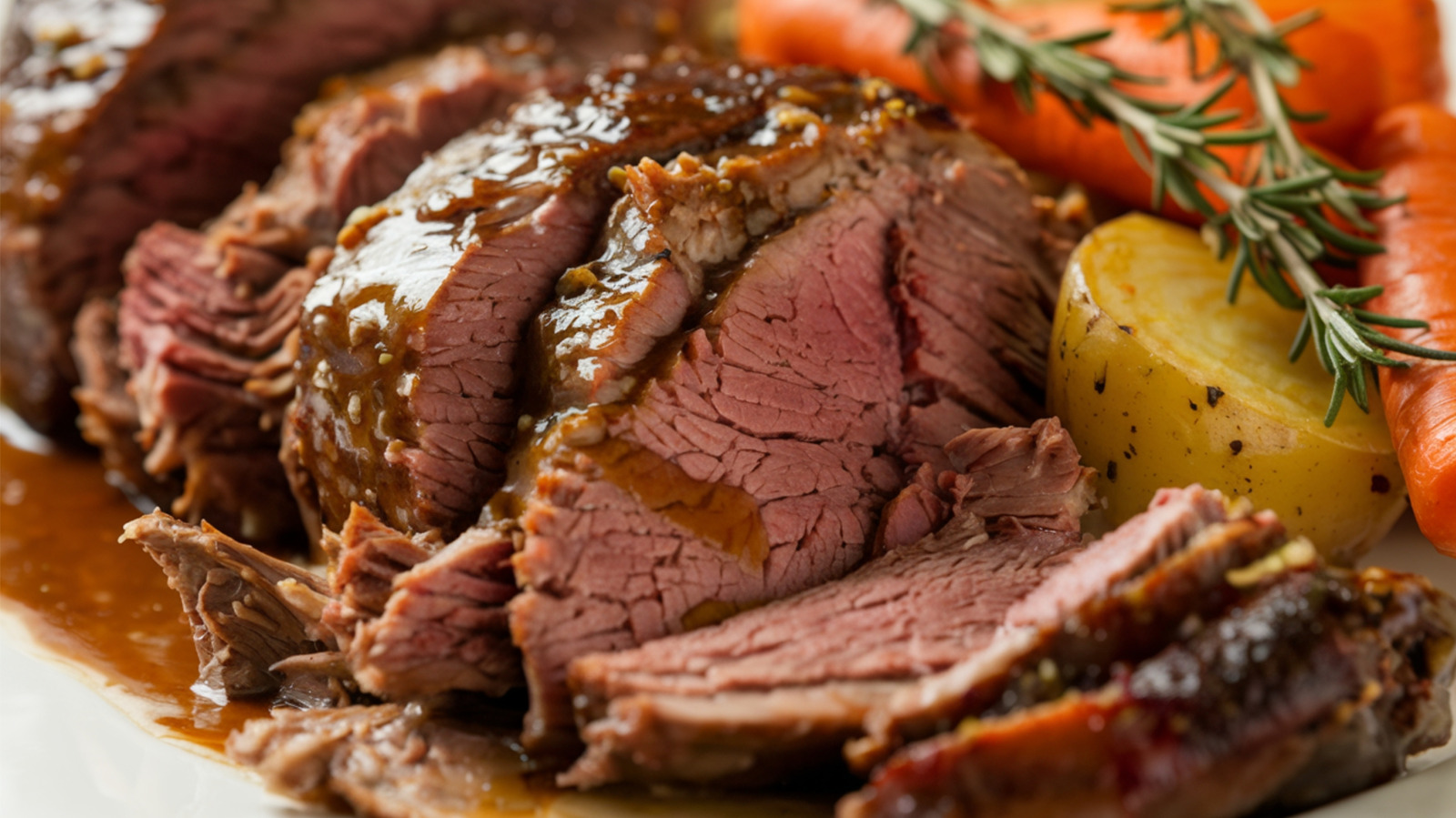
"Everything is added: meat, root vegetables, and broth. That is, almost everything; it's time for the finishing touches, and you know just the trick. In a stroke of culinary genius, you reach for a can of soda, thinking your pot roast will taste better with this fizzy addition. Hold fire, though. Which type did you grab? Unfortunately, the lack of sugar in Diet Coke could be sabotaging your pot roasts. Regular Coca-Cola is always preferable."
"If you haven't already heard, soda is the secret to a tasty pot roast. The trick primarily relies on the Maillard reaction, in which proteins react with sugars to create browning and enhance flavor. This caramelizes the crust and locks in tasty juices as the meat tenderizes. Since a 12-ounce Coca-Cola contains 39g of sugar, and a Diet Coke contains zero, the issue is self-explanatory."
"Diet Coke might "taste sweet," but that's because of aspartame, an artificial sweetener. Aspartame doesn't withstand heat, essentially rendering the drink useless for cooking. Leave those cans of Diet in the pantry and, instead, concentrate on memorizing the ideal cuts of meat to tenderize with your favorite soda. It's got to be the only time it's advisable to choose the sugariest option, right?"
Soda can improve pot roast by supplying sugar that fuels the Maillard reaction, creating browning, caramelization, and enhanced flavor while locking in juices during tenderizing. A 12-ounce Coca-Cola contains about 39 g of sugar, whereas Diet Coke contains no sugar and instead uses aspartame. Aspartame does not withstand heat and therefore fails to produce the same browning or caramelization effects in cooking. Soda also contributes carbonation and phosphoric acid, which can affect connective tissue and muscle fibers. Reading ingredient lists matters when choosing a soda for braising or tenderizing meat.
Read at Tasting Table
Unable to calculate read time
Collection
[
|
...
]