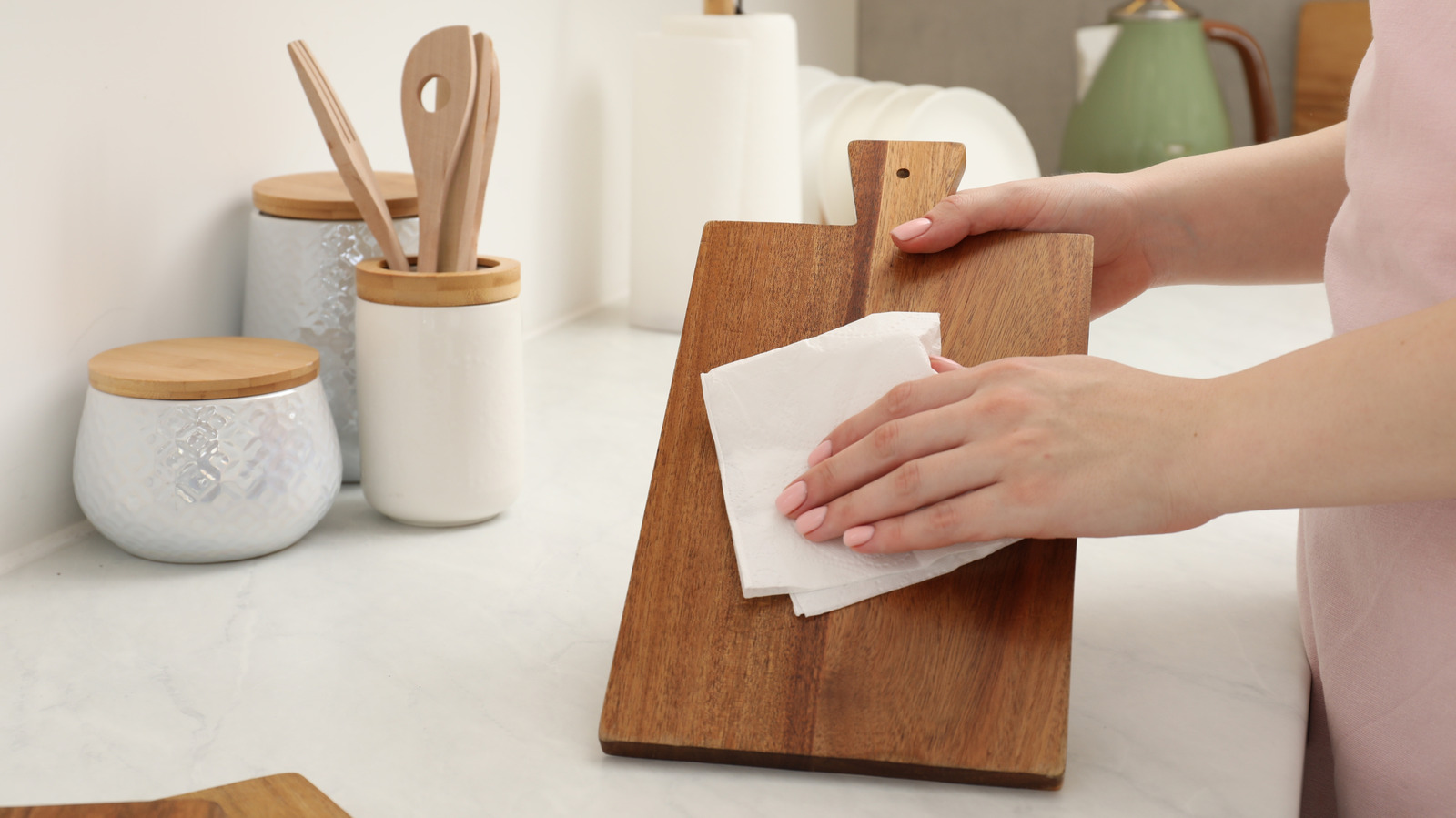
"A cutting board should literally be a clean slate. It's the surface that the raw ingredients touch first and where your attention settles before the actual cooking even begins. When the board holds onto stains and smells, it's more than just cosmetically annoying; it starts the process off on the wrong foot. But, perhaps most importantly, both the marks and miasma are indicators of molecularly meaningful material left behind from meals past, settled into the grooves made by your knife."
"The better strategy is routine care that matches the surface. Wood absorbs moisture and releases it slowly, whereas plastic keeps everything on the surface, including stubborn pigments and strong smells. Though both can be cleaned well, the steps that work for one won't always work for the other. Those distinctions change how the stains form and how they need to be removed."
"Since wood boards have natural fibers that open slightly under the blade and settle back into place, stains are generally easy to remove with hydrogen peroxide. Plastic boards, on the other hand, hold the exact shape of every cut, which allows colorful or aromatic ingredients to settle into the grooves. This requires heat (be it from boiling water or the dishwasher) to get rid of."
Cutting-board stains and smells indicate residue and bacteria lodged in knife grooves that can cause off-flavors. Cleaning methods should match material: wood's fibers swell when wet and shrink when dry, making hydrogen peroxide effective for stain removal, while plastic preserves cut shapes so heat (boiling water or dishwasher) helps lift pigments and odors. Excessive scrubbing or prolonged soaking can damage boards and often fails to remove stains. Routine care, proper drying, and using material-appropriate treatments keep both wood and plastic boards sanitary, stain-free, and ready for safe food preparation.
Read at Tasting Table
Unable to calculate read time
Collection
[
|
...
]