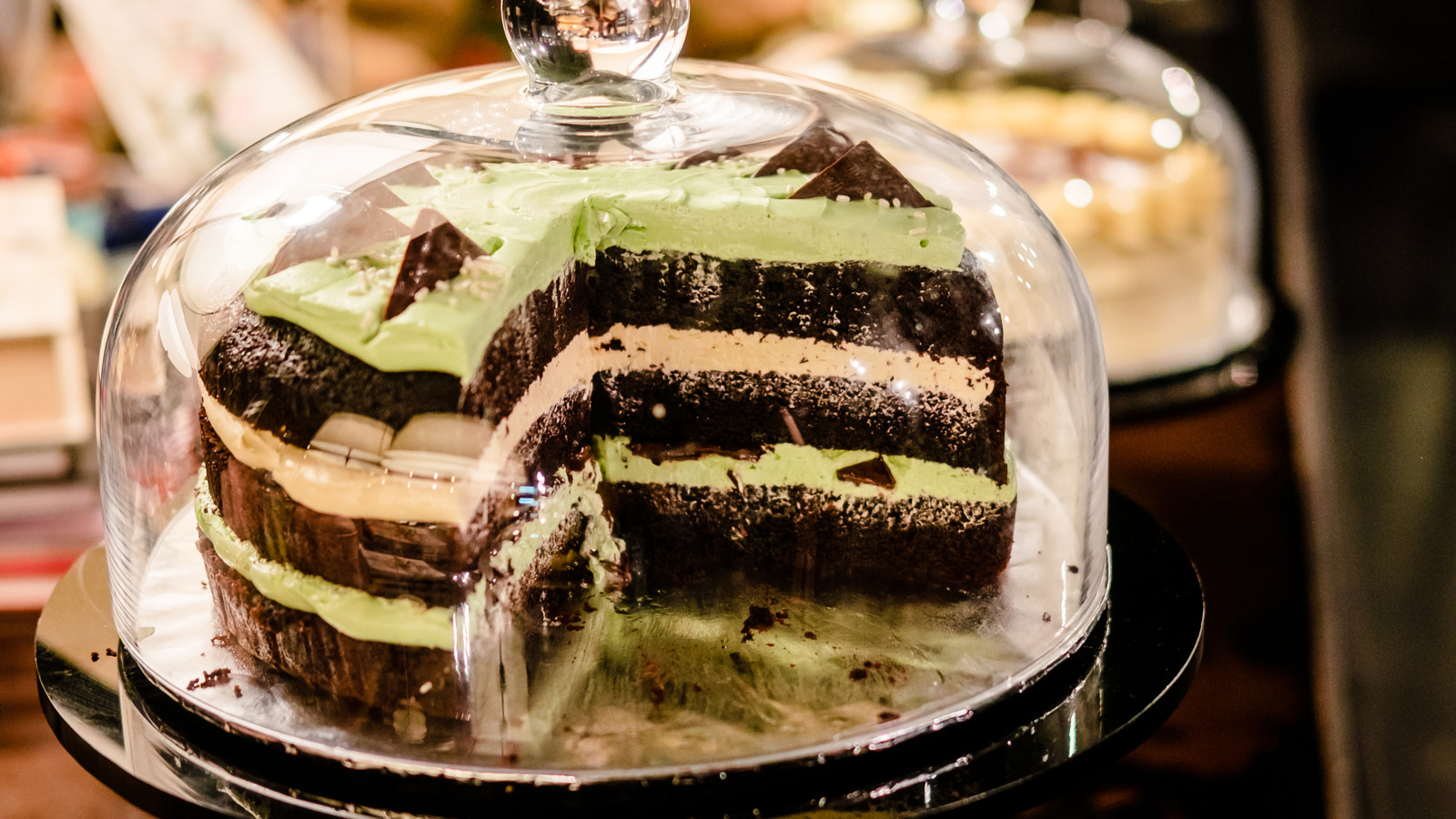
""Instead of creaming butter and sugar upfront, you create a sandy, breadcrumb-like base," he explained. Reverse creaming mixes the dry ingredients with the butter first, coating the flour in fat." He added that this step "reduces gluten formation, leading to a finer, more even crumb.""
""Because the batter is more stable and doesn't develop strong gluten strands, it bakes flatter," Lanlard said. You'll probably still have to slice a few centimeters off the tops, but the job (and your whole cake-making process) will be easier."
"Reverse creaming is best for "any cake where you want a tight, velvety crumb and smooth surface." Layered celebration cakes, pound cakes, and velvet cakes are top candidates, as are classic white cake and yellow cakes."
Reverse creaming mixes dry ingredients with butter first to coat the flour in fat, creating a sandy, breadcrumb-like base. That coating reduces gluten formation and yields a finer, more even crumb and a more stable batter. After adding wet ingredients such as milk and eggs, the butter-flour crumbs transform into a regular-looking batter that bakes with a flatter top and more even texture. The technique is most effective for cakes that require a tight, velvety crumb and smooth surface, including layered celebration cakes, pound cakes, and classic white or yellow cakes. Some trimming may still be necessary.
Read at Tasting Table
Unable to calculate read time
Collection
[
|
...
]