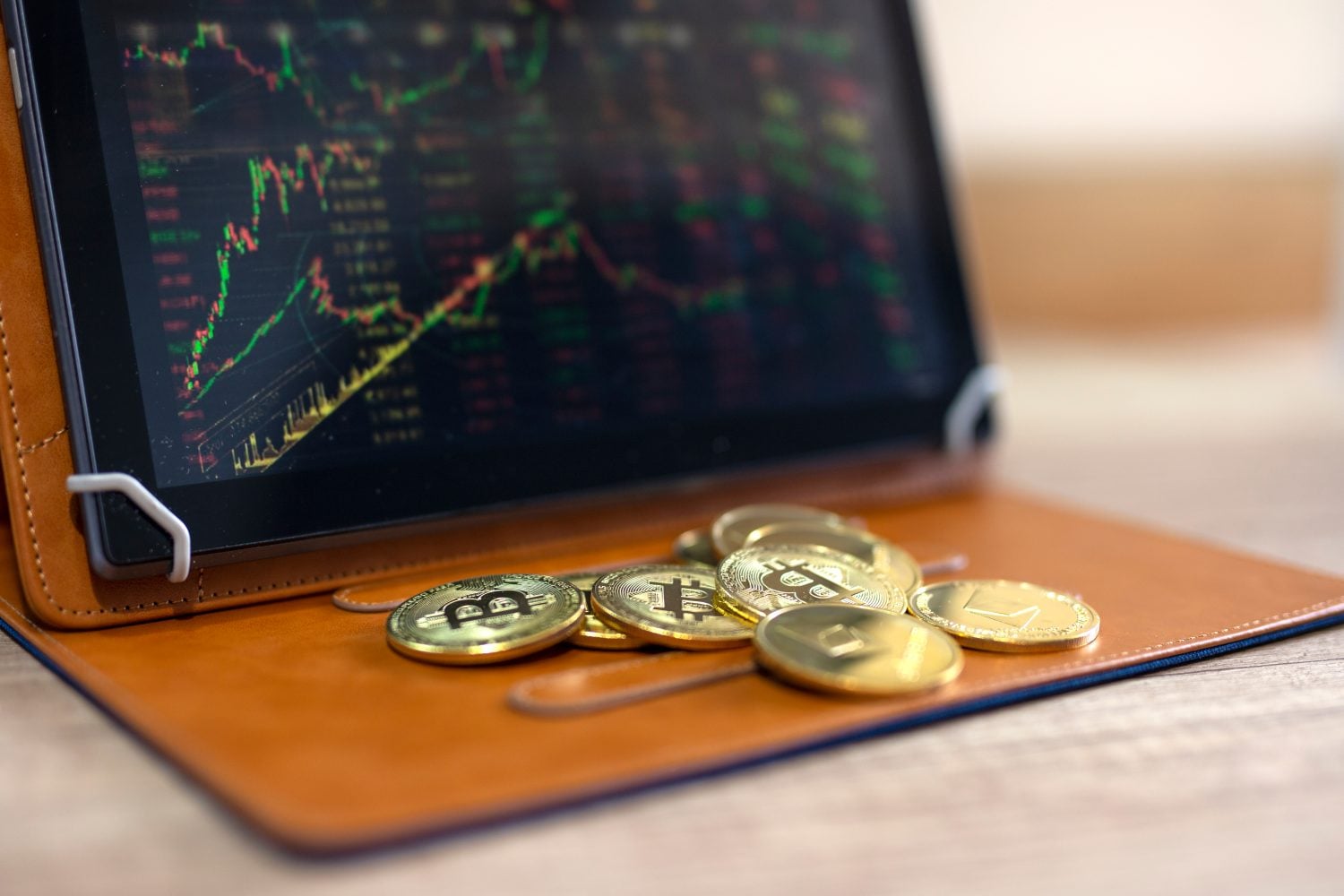
Bitcoin launched in 2009 at almost nothing and has become one of the best-performing assets over the past decade, compounding roughly 40% to 60% annually depending on the start date. Despite long-term gains, drawdowns between milestones have been severe and can force investors who buy near tops to sell before recovery. Recent price movement shows pullbacks after brief highs, so whether Bitcoin is a good investment depends on demand. Two demand drivers highlighted are regulatory clarity and the idea of a U.S. strategic reserve. Forecasts for 2030 range from hundreds of thousands to over a million dollars, but they rely on assumptions and can be wrong. A beginner approach is dollar-cost averaging instead of trying to time bottoms.
"Like any other asset, Bitcoin goes through downturns. What stands out is that it has so far recovered from every one, eventually setting new highs. But "so far" is doing real work in that sentence, and for a beginner the question isn't only how high Bitcoin could go-it's whether you can hold through the drops before it takes off."
"That said, past patterns are not a guarantee, and the drawdowns between those milestones have been severe-the kind that shake out anyone who bought near a top. After briefly touching $82,500 on May 6, Bitcoin pulled back to around $77,000. Whether BTC is a good investment from here depends heavily on demand-and right now, two sources of demand stand out."
"Coinbase CEO Brian Armstrong has said Bitcoin could reach $1 million by 2030, citing regulatory clarity and a U.S. strategic reserve. ARK Invest models a 2030 range of roughly $710,000 to $1.5 million if Bitcoin captures meaningful global reserve status, with a top scenario around $2.4 million. These are models built on assumptions-adoption curves, supply projections, and reserve status-and every one of them can be wrong."
"The most common beginner mistake is waiting to buy until the price "looks low." Timing the bottom is nearly impossible, even for professionals. A simpler approach is to buy a fixed amount at regular intervals regardless of price-dollar-cost averaging (DCA). Say you inve"
Read at 24/7 Wall St.
Unable to calculate read time
Collection
[
|
...
]