"Richard Serra's sculptures convey an almost improbable sense of lightness through the organization of mass, with large curved surfaces and narrow passages creating a dynamic spatial experience."
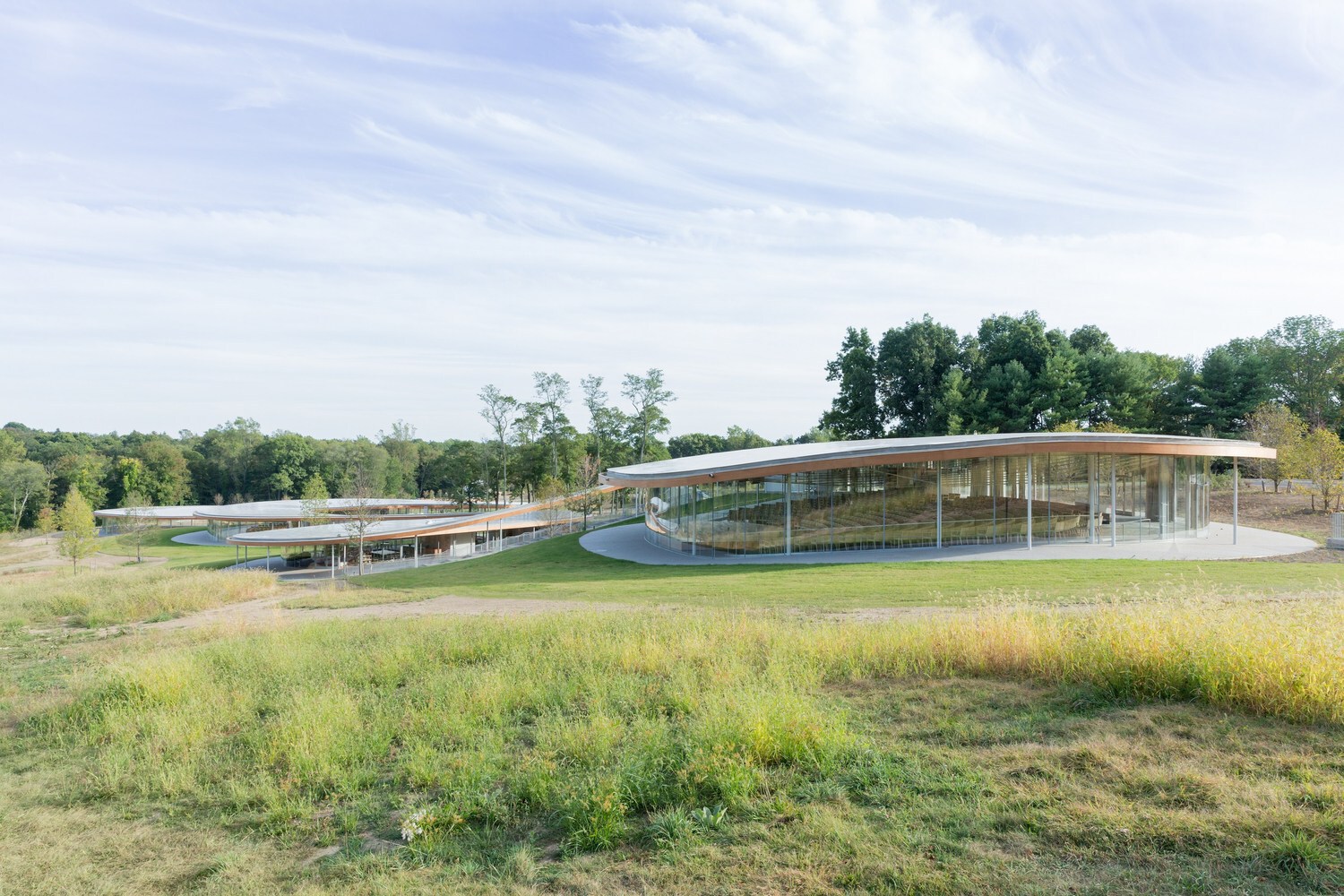
"In architecture, lightness has occupied a central role since the modern period, shifting from stability in earlier traditions to strategies that reduce the apparent presence of construction."
"This sense of lightness is largely perceptual, tied to how buildings are seen and experienced, rather than how they are made or what they require to exist."
"A contemporary parallel can be found in the infrastructure that supports computation and artificial intelligence, which, while perceived as immaterial, depend on substantial physical systems."
Richard Serra's sculptures utilize massive plates to convey lightness through their organization rather than a reduction of mass. Curved surfaces and narrow passages create a dynamic spatial experience. In architecture, lightness has evolved since the modern period, moving away from stability towards strategies that minimize the apparent presence of construction. This perceptual lightness is tied to visual experience rather than material requirements, as seen in concrete cantilevers and glazed facades. Similar perceptions exist in the infrastructure supporting computation and artificial intelligence, which rely on substantial physical systems.
#richard-serra #lightness-in-architecture #spatial-experience #modern-architecture #perception-of-materiality
Read at ArchDaily
Unable to calculate read time
Collection
[
|
...
]