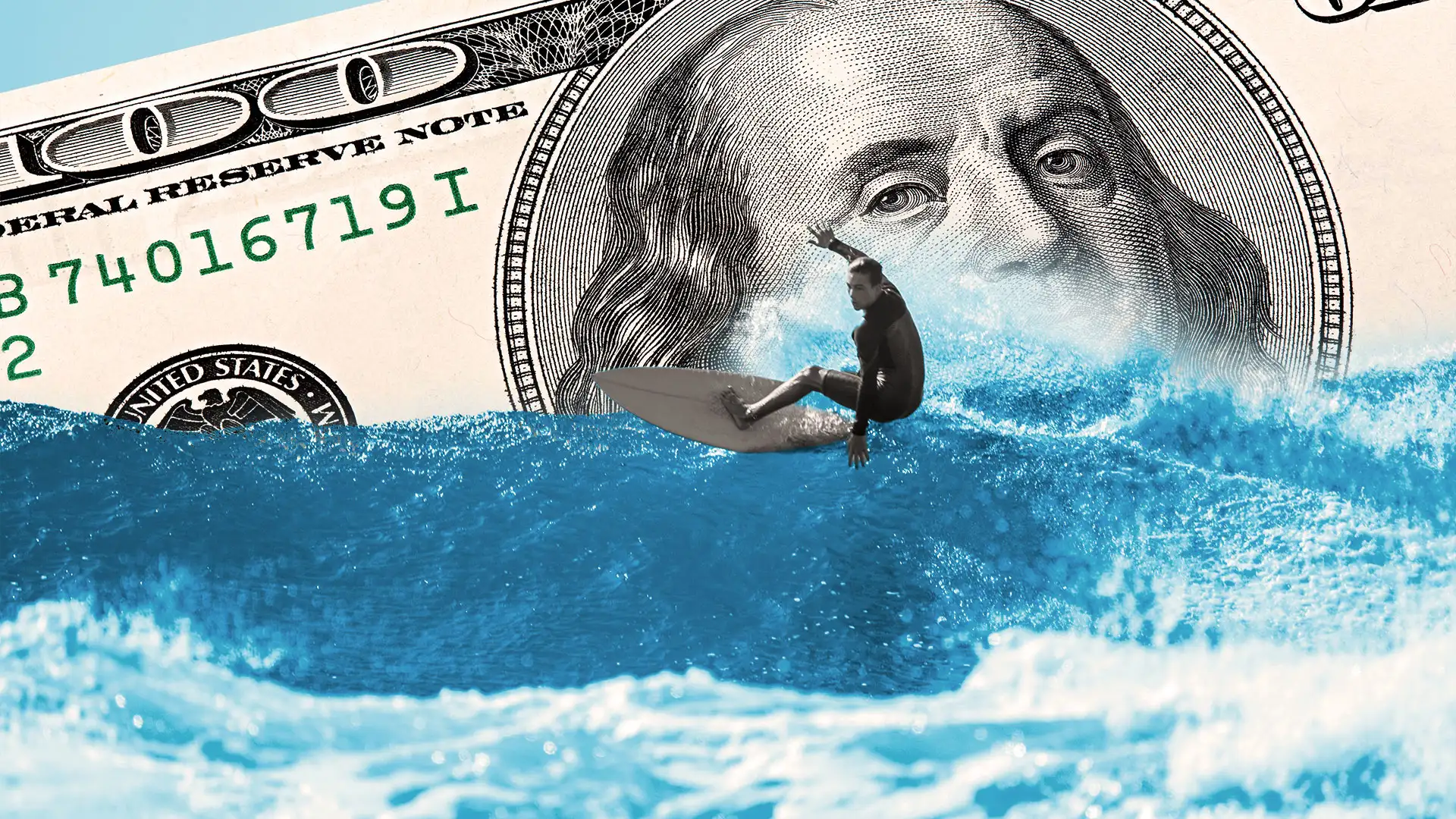
UltraFICO Score has been upgraded to use real-time cashflow information from bank accounts, with consumer permission through Plaid. The model analyzes transactions moving into and out of checking and savings accounts to give lenders a deeper view of an applicant’s financial situation. Lenders can use the score to make credit decisions and, in many cases, consumers may see improved credit scores. Some consumers may see lower scores if cashflow is weak, such as during periods between jobs. Consumers are not automatically included; they must consent to share data in a lender’s portal. Without consent, the lender cannot calculate an UltraFICO Score.
"The new model looks at transactions going in and out of an applicant's bank accounts, such as a checking account or savings account. Plaid's infrastructure allows users to integrate their bank accounts with certain financial apps and platforms. In this case, the goal is to give lenders a deeper understanding of their financial picture, thereby letting them extend credit offers or approve credit for those individuals, accordingly."
"Of course, for some, the new score could also ding them a bit-for instance, if they're experiencing cashflow difficulties, such as being between jobs. Further, consumers are not automatically opted-in. They consent to share their information, through Plaid, when navigating a lender's portal. If they opt not to share their data, the lender can't calculate an UltraFICO Score."
""The old UltraFICO Score was trailblazing," says Julie May, vice president and general manager of B2B Scores at FICO, about the original model that debuted in 2018. "But how we built this with Plaid is different." She adds that "the model itself is built to utilize credit bureau data and cashflow data to make an assessment of risk, and it's 'bureau-agnostic,'" meaning that "irrespective of whi"
Read at Fast Company
Unable to calculate read time
Collection
[
|
...
]