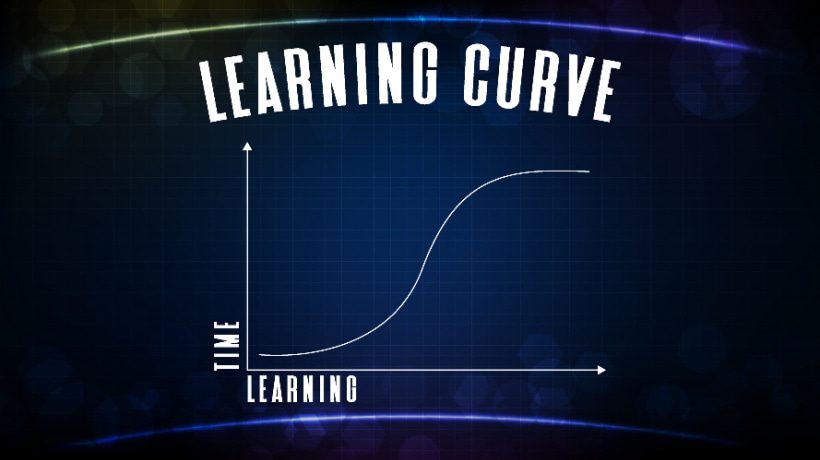
"The learning curve is a graph depicting the rate of acquiring new knowledge, skills, or competencies of a learner over time. It shows the gradual improvement of proficiency through repeated exposure and practice. Corporate training using the learning curve allows us to figure out: The duration needed by learners in order to reach competency. The level of steepness of the learning progression. How to design training to obtain mastery in less time."
"As companies are increasingly seeking top training, the need to thoroughly understand the learning curve has turned into a strategic imperative. The learning curve was first researched by psychologist Hermann Ebbinghaus in the early 20th century. Since then, this concept has been essential to productivity research. Today's L&D teams rely on the learning curve to orchestrate training capable of reducing time-to-proficiency, alleviating performance declines, and improving knowledge retention."
The learning curve maps how fast learners acquire knowledge, skills, or competencies over time. It captures gradual proficiency gains from repeated exposure and practice. L&D teams can use the learning curve to estimate time-to-competency, measure steepness of learning progression, and design accelerated routes to mastery. Understanding the learning curve shapes training duration, expected performance levels, and return on investment for learning activities. Historical research (Ebbinghaus) established the concept and productivity research has extended its application. Applying the learning curve reduces time-to-proficiency, mitigates performance declines, improves retention, and enables scalable upskilling and reskilling across the workforce.
Read at eLearning Industry
Unable to calculate read time
Collection
[
|
...
]