"The U.S. government has led much of the environmental charge, starting with the implementation of the EPA in July 1970, followed by significant laws like the Clean Air Act and the Clean Water Act."
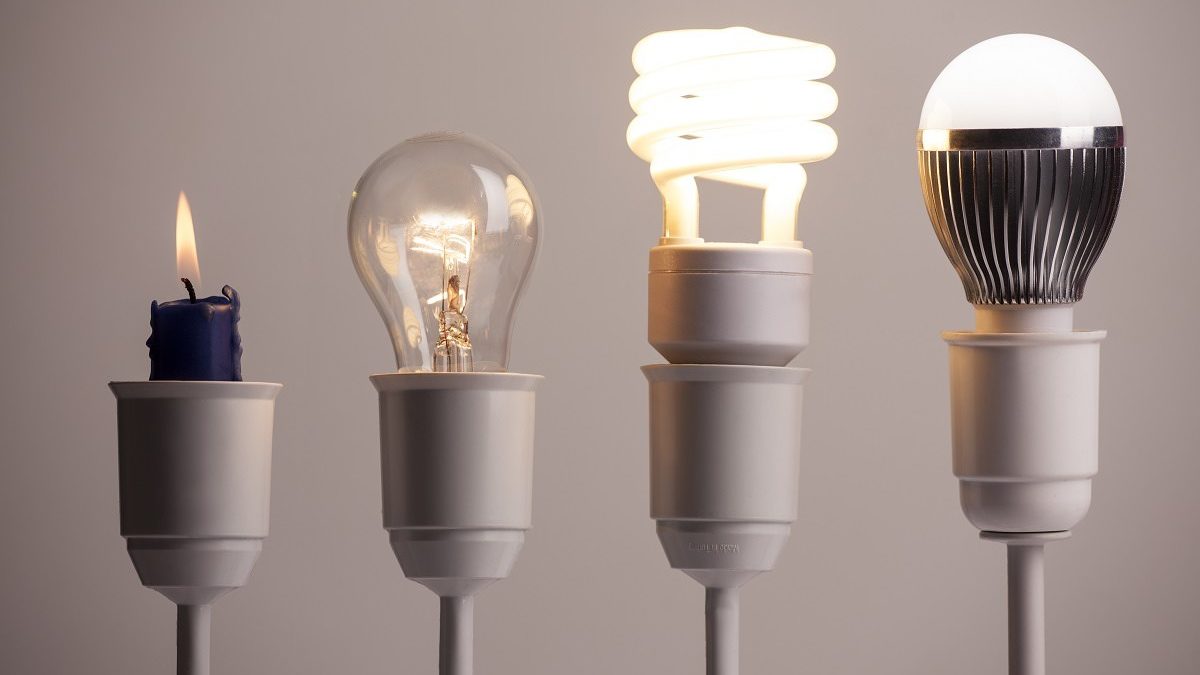
"In order to comply with all the laws from the 1970s, new technology was necessary, leading to innovations such as the energy-efficient compact fluorescent light bulb and the banning of DDT."
"States have also played a crucial role in environmental legislation, with Oregon passing the first bottle bill in 1971 and Minnesota enacting the Clean Indoor Air Act in 1975."
"The first curbside recycling program began in New Jersey in 1980, marking a significant step in waste management and environmental consciousness."
Since the first Earth Day in 1970, numerous environmental laws and innovations have emerged. Key legislation includes the establishment of the EPA, the Clean Air Act, and the Clean Water Act. States also contributed with initiatives like bottle bills and indoor air quality laws. Technological advancements followed, such as the banning of DDT, the introduction of energy-efficient light bulbs, and the implementation of curbside recycling programs. These changes reflect a growing commitment to environmental protection and sustainability over the past 56 years.
Read at Earth911
Unable to calculate read time
Collection
[
|
...
]