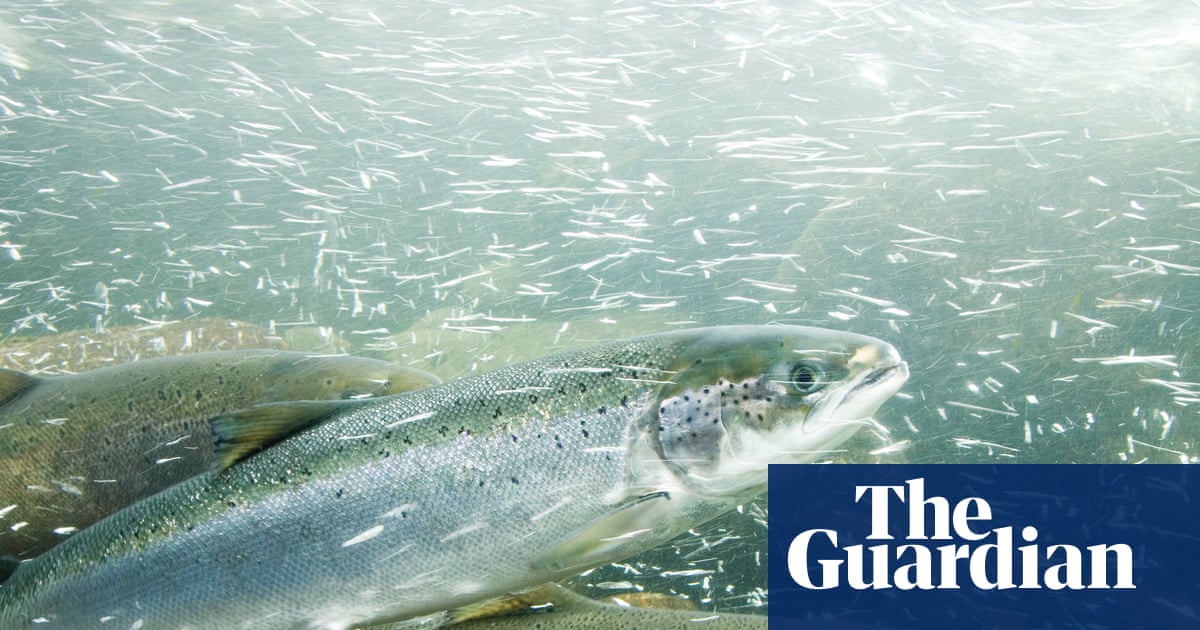
"Juvenile Atlantic salmon exposed to cocaine swam further and dispersed more widely, indicating that these substances can affect their movement, feeding behavior, and predator vulnerability."
"The impact of pollutants from sewage works on fish populations is unclear, but increased energy expenditure and greater risks from predators may result from altered foraging behavior."
"Concerns over drug contaminants have been heightened by reports of fish exhibiting addiction-like behaviors and losing their natural fear of predators due to pharmaceutical residues."
"Researchers fitted Atlantic salmon with implants that released cocaine or its metabolite to study the effects of pollution on fish behavior in a controlled environment."
Cocaine traces in rivers and lakes may disrupt salmon behavior, leading to increased swimming distances and wider dispersal. Juvenile Atlantic salmon exposed to cocaine and its breakdown product showed altered foraging patterns, which could increase their vulnerability to predators. The long-term consequences of these pollutants on fish populations remain uncertain, but researchers warn of potential trade-offs, such as increased energy expenditure and greater predation risk. Calls for greener pharmaceuticals have arisen due to the escalating risks posed by drug pollution to biodiversity.
#cocaine-pollution #salmon-behavior #environmental-impact #biodiversity #pharmaceutical-contaminants
Read at www.theguardian.com
Unable to calculate read time
Collection
[
|
...
]