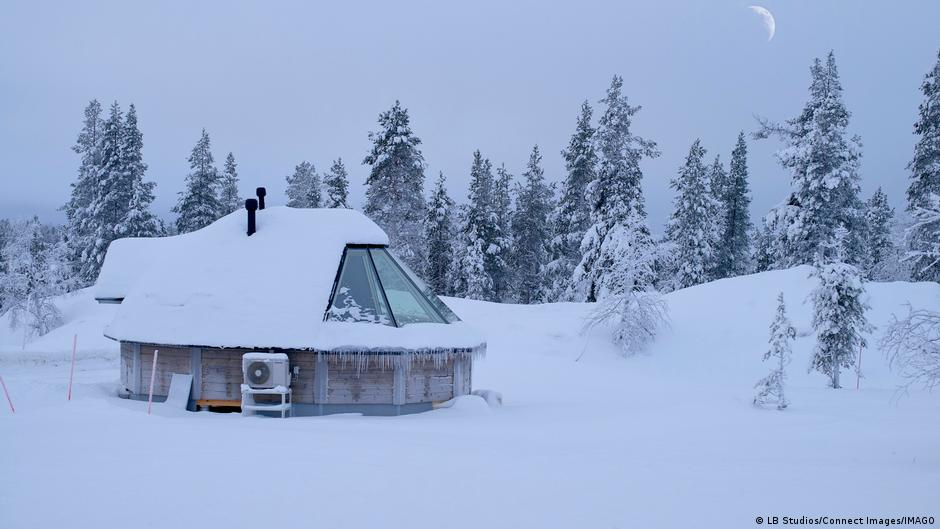
"Subzero temperatures don't pose a problem for heat pumps. The refrigerants used in the heat exchanger, which transfers heat from outside a building to inside, have an extremely low boiling point below minus 40 C. That means even when it's very cold, a heat pump can absorb ambient heat from the outside air and use it to warm a building."
"Ground-source heat pumps, which extract heat from the soil or groundwater, are even more efficient. Compared with the air temperature, which fluctuates throughout the year, the temperature of soil and groundwater is generally higher and remains relatively stable. These systems tap heat from as deep as 300 meters underground, where temperatures stay around 10 C even if it's minus 50 C at the surface."
"Heat pumps draw on ambient warmth, making them highly efficient because most of the energy they deliver is already present in the environment and is not generated by burning fossil fuels."
Germany's ruling coalition is slowing renewable energy initiatives and amending heating laws due to fossil fuel industry pressure and public skepticism about heat pump technology. However, heat pumps are highly effective in extreme cold conditions. Refrigerants in heat exchangers have boiling points below minus 40°C, allowing heat pumps to extract ambient heat even in subzero temperatures. Air-source heat pumps operate successfully at temperatures as low as minus 25°C across Scandinavia and Arctic regions, with electric heating elements providing supplemental warmth in extreme conditions. Ground-source heat pumps are even more efficient, extracting stable heat from soil and groundwater at depths up to 300 meters, where temperatures remain around 10°C regardless of surface conditions. Heat pumps remain highly efficient in winter, delivering energy primarily from environmental sources rather than fossil fuel combustion.
#heat-pump-technology #renewable-energy #extreme-cold-climate #heating-systems #fossil-fuel-alternatives
Read at www.dw.com
Unable to calculate read time
Collection
[
|
...
]