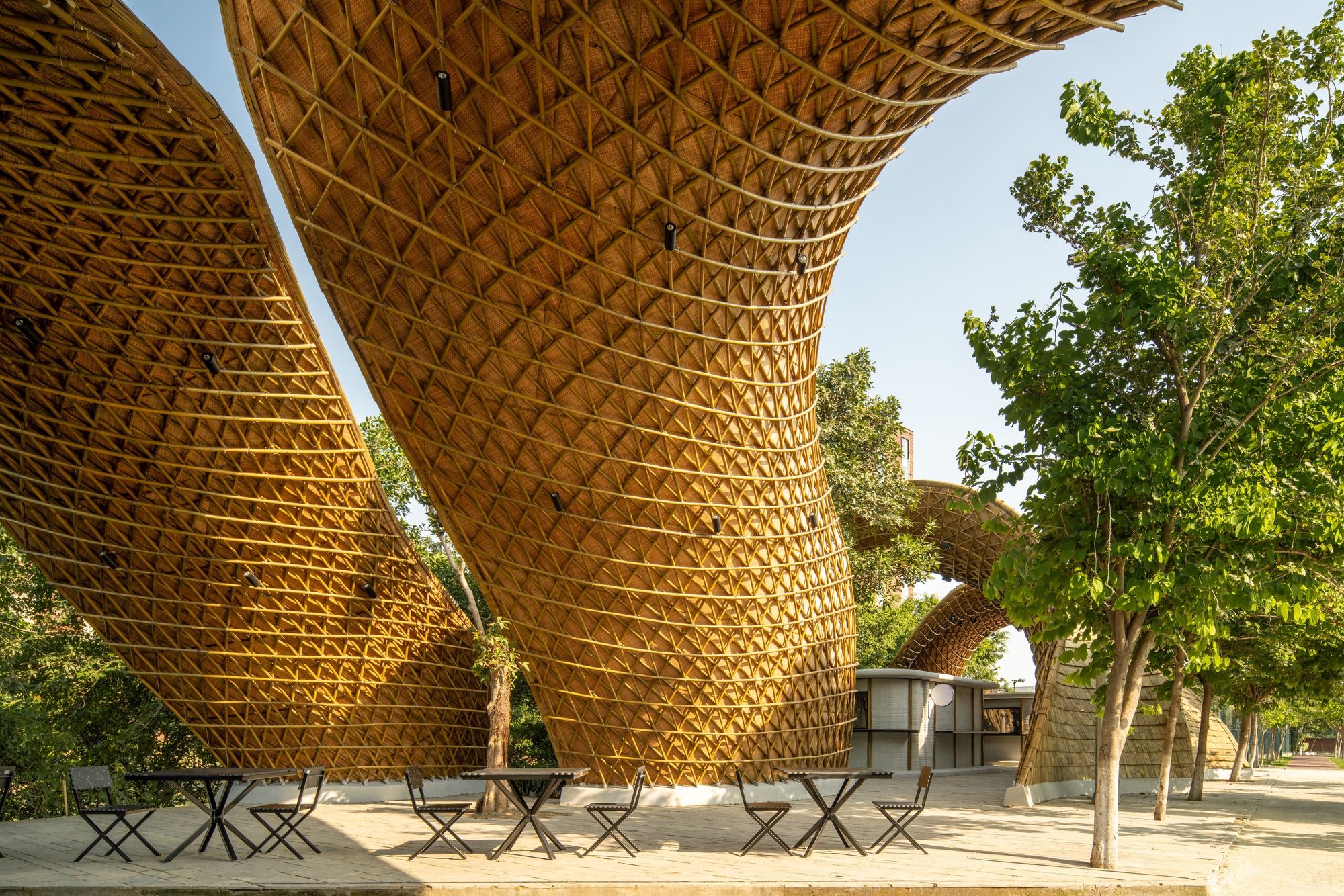
"Text description provided by the architects. Adopting sustainable living today, both in design and daily life, is crucial for reducing our environmental footprint and preserving resources for future generations. In design, this means using eco-friendly materials, energy-efficient technologies, and creating spaces that harmonize with natural surroundings. In daily living, sustainability involves mindful consumption, reducing waste, conserving water and energy, and supporting local, ethical products. Together,"
"Adopting sustainable living today, both in design and daily life, is crucial for reducing our environmental footprint and preserving resources for future generations. In design, this means using eco-friendly materials, energy-efficient technologies, and creating spaces that harmonize with natural surroundings. In daily living, sustainability involves mindful consumption, reducing waste, conserving water and energy, and supporting local, ethical products. Together, sustainable design and living form a holistic approach that not only benefits the environment but also enhances health, well-being, and long-term resilience."
Adopting sustainable practices in both design and daily life reduces environmental footprints and preserves resources for future generations. Sustainable design uses eco-friendly materials, energy-efficient technologies, and creates spaces that harmonize with natural surroundings. Daily sustainable living emphasizes mindful consumption, waste reduction, water and energy conservation, and support for local, ethical products. Combining sustainable design and everyday practices creates a holistic approach that improves environmental outcomes while enhancing human health, well-being, and long-term resilience. Prioritizing both built-environment strategies and individual behavioral choices supports resource stewardship and fosters communities that are more sustainable and resilient over time.
Read at ArchDaily
Unable to calculate read time
Collection
[
|
...
]