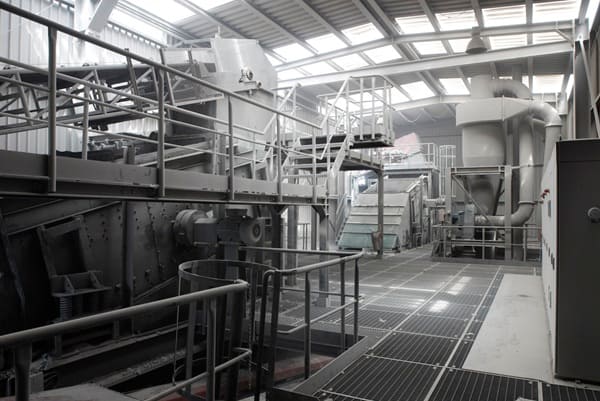
London's construction sector faces simultaneous pressure to accelerate building while meeting stringent sustainability targets. Efficient waste management delivers regulatory compliance and competitive advantage. On-site wash plants process demolition material on-site, cleaning and sorting debris to recover aggregates and sand and remove contaminants. Recycled material can be reused as sub-base or sold, turning disposal costs into revenue. Bespoke wash plants tailored to material types, site layout, and production goals overcome London's tight spaces and access constraints. Optimised on-site processing reduces downtime, lowers transport and disposal expenses, supports circular economy objectives, and strengthens bids for environmentally focused contracts.
"The biggest financial advantage of a modern wash plant is its ability to turn waste material into a new revenue stream. Instead of paying to transport and dispose of demolition rubble, a business can use a wash plant to process this material on-site. The plant effectively cleans and sorts the debris, separating valuable aggregates and sand from contaminants. This recycled material can then be used in the same project as a sub-base or sold to other businesses,"
"London's unique urban environment presents a host of logistical challenges for construction, from tight spaces to limited access. A one-size-fits-all approach to waste management is often ineffective. This is where the expertise of a company that designs, manufactures, and installs bespoke wash plants becomes invaluable. By working with a specialist, a business can get a system that is perfectly tailored to its specific materials, site layout, and production goals."
Read at London Business News | Londonlovesbusiness.com
Unable to calculate read time
Collection
[
|
...
]