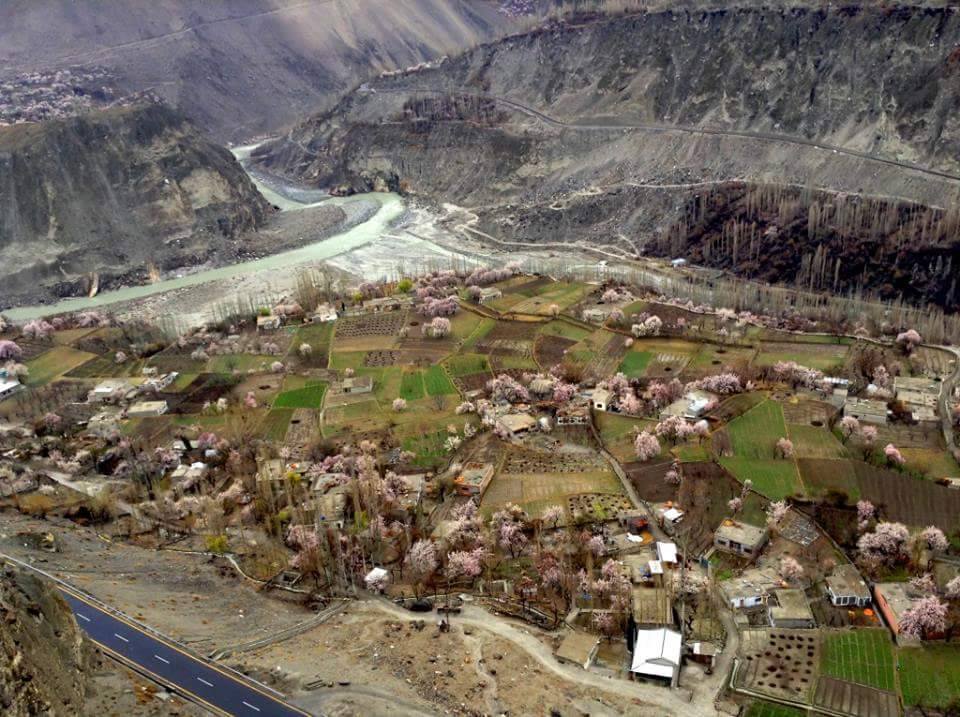
"The glacier lake outburst flood in Hassanabad was triggered by the rapid melting of the Shisper Glacier, which has retreated dramatically in recent years, leading to significant hazards in the region."
"GLOFs are difficult to predict, and the Hunza Valley has limited monitoring resources, making it increasingly vulnerable to disasters related to climate change."
"The United Nations Office for the Coordination of Humanitarian Affairs initiated a recovery plan to support communities affected by the July 2025 flood and restore critical infrastructure."
"Gilgit-Baltistan ranks at the top of risk scales for GLOF hazards in Pakistan, with over 800,000 people living within 15 kilometers of a glacier."
On July 6, 2025, a glacier lake outburst flood devastated Hassanabad, Pakistan, due to rapid melting of the Shisper Glacier. The flood destroyed homes and irrigation systems, forcing evacuations and damaging the water supply. The UN initiated a recovery plan in October to support affected communities and restore infrastructure. Gilgit-Baltistan faces severe GLOF hazards, with over 800,000 people living near glaciers. The region has limited monitoring resources, making it vulnerable to climate change-related disasters. The OCHA's plan outlines a six-month response to the floods affecting 6.9 million people.
Read at State of the Planet
Unable to calculate read time
Collection
[
|
...
]