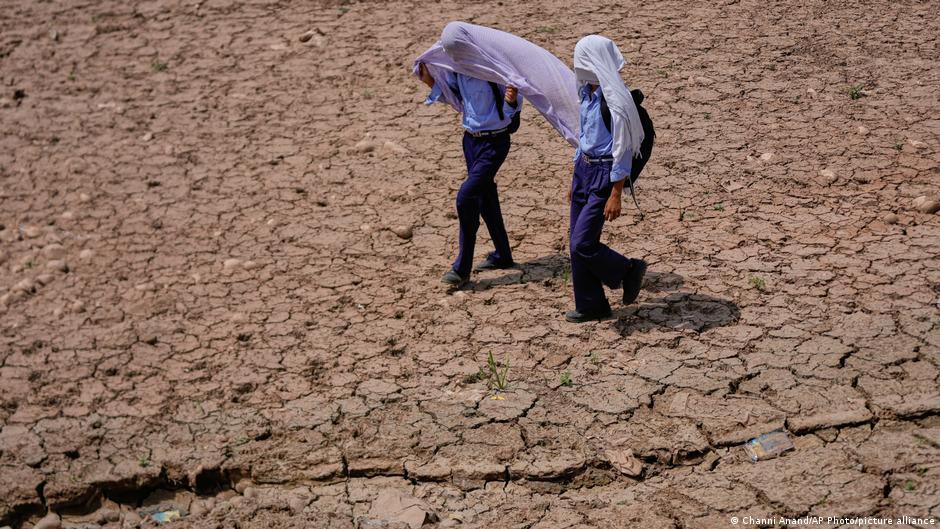
Renewable energy expansion and policy measures are shifting emissions trends away from the most dangerous climate pathway. A previously used worst-case scenario is now considered less probable because energy and political trends have changed since the late 2000s. The scenario was designed as a low-probability, high-risk benchmark rather than a prediction. Even without the worst-case outcome, continued warming is expected to intensify droughts, heatwaves, and water scarcity worldwide. Scientists warn that expected temperature rises remain high as the UN moves to tighten countries’ commitments, indicating that additional emissions reductions are still necessary to limit impacts.
"For years, a worst-case climate scenario served as a stark warning of what could happen if the world failed to curb fossil fuel use. A temperature rise of more than 4 degrees Celsius (7.2 Fahrenheit) by the end of the century would bring with it catastrophic consequences including deadly heatwaves, rising seas, crop failures and mass displacement. But a scientific paper published last month says that doomsday pathway known as RCP8.5 and later SSP5-8.5 is now less probable."
"Designed as a benchmark to help governments prepare for dangerous possibilities, the worst-case scenario was not a prediction. Climate researcher Detlef Van Vuuren, lead author of the new paper, told UK-based climate science platform, Carbon Brief that it had always been a "low-probability, high-risk scenario." It reflected the knowledge and energy trends of the late 2000s, when the world was more reliant on burning planet-heating coal, oil and gas."
""The world is not heading toward the worst-case scenario because we've actually taken political measures allowing us to move away from that," French climate scientist Christophe Cassou told the AFP news agency. The rapid growth of renewable energy is helping shift emissions trends away from the most dire heating scenario."
"The new assessment attributes the shift to renewable energy buildout happening faster than expected, with many governments adopting policies that have slowed projected emissions growth. Friederike Otto, a climate scientist at Imperial College L... Scientists warn that even without the worst-case climate scenario, rising temperatures will intensify droughts, heatwaves and water scarcity worldwide."
#renewable-energy #climate-change-mitigation #emissions-pathways #heatwaves-and-droughts #un-climate-commitments
Read at www.dw.com
Unable to calculate read time
Collection
[
|
...
]