"One load of laundry can release up to 1.5 million tiny plastic fibers into the water that drains out of your washing machine. Most water treatment plants can't catch fibers that small, so they end up in rivers, lakes, and the ocean. Scientists now think laundry is responsible for about 35% of the small plastic pieces found in the sea."
"That changes what “zero-waste” cleaning actually means today. The plastic detergent bottle is the obvious problem. The hidden problems, including shedding fibers, plastic films sold as “eco-friendly,” mystery fragrance chemicals, and contaminants you'll never see on a label, are the bigger concern."
"Most chemicals in store-bought cleaners haven't been fully tested for long-term health effects. The EPA's Safer Choice program certifies products made without ingredients linked to cancer, hormone problems, or harm to wildlife. About 2,000 products carry the label. Almost lost in a 2025 budget cut, the program survived but with fewer staff. Words like “natural” and “green” on packaging aren't regulated and don't really mean anything, so look for the Safer Choice label or check the EWG Guide to Healthy Cleaning before trusting a brand."
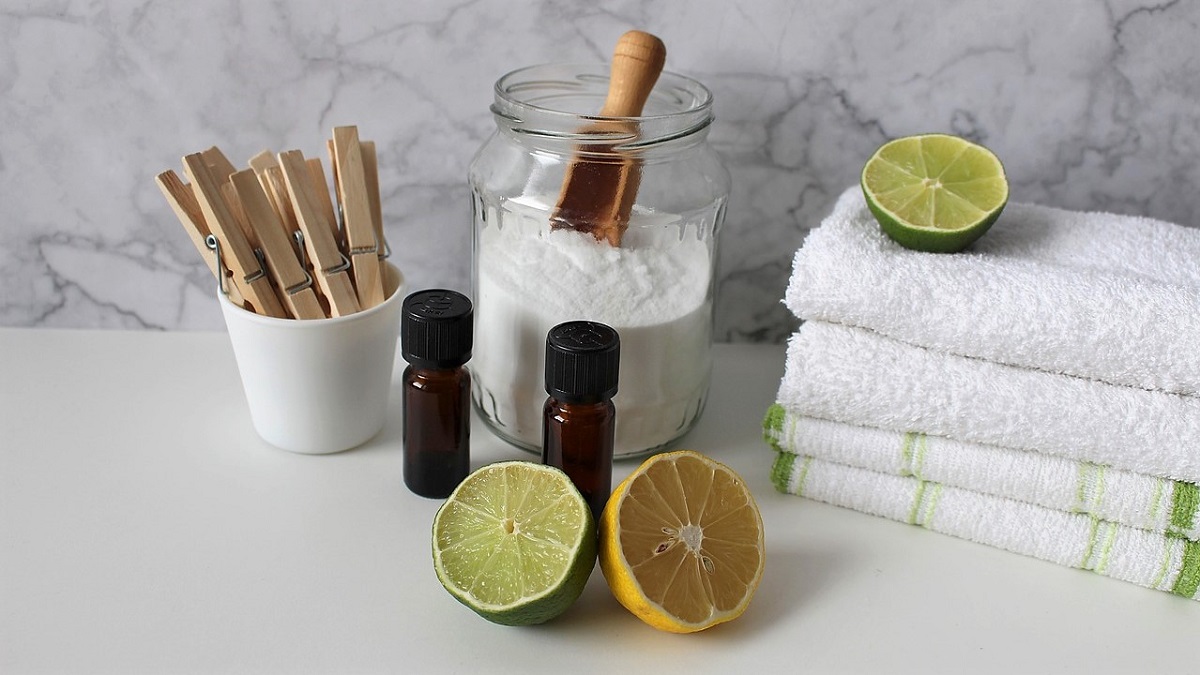
"Making your own cleaners gives you control, cuts packaging, and saves money. The basic kit is short: baking soda for scrubbing, white vinegar for windows and mineral stains, lemon juice for cutting boards, 3% hydrogen peroxide (in a dark bottle) for stains and germs, and castile soap for general cleaning. A spray bottle of half vinegar, half water cleans most surfaces. Reuse jars and spray bottles instead of buying new ones."
One load of laundry can release up to 1.5 million tiny plastic fibers into wastewater. Many water treatment plants cannot catch fibers at that size, so fibers enter rivers, lakes, and the ocean. Laundry may account for about 35% of small plastic pieces found in the sea. “Zero-waste” cleaning now includes hidden sources such as fiber shedding, plastic films marketed as eco-friendly, mystery fragrance chemicals, and unlabeled contaminants. Store-bought cleaners may not be fully tested for long-term health effects, so safer products can be identified using the EPA Safer Choice label or the EWG Guide. Homemade cleaners can reduce packaging and cost using baking soda, white vinegar, lemon juice, 3% hydrogen peroxide, and castile soap, with reusable containers and simple dilution for most surfaces.
Read at Earth911
Unable to calculate read time
Collection
[
|
...
]