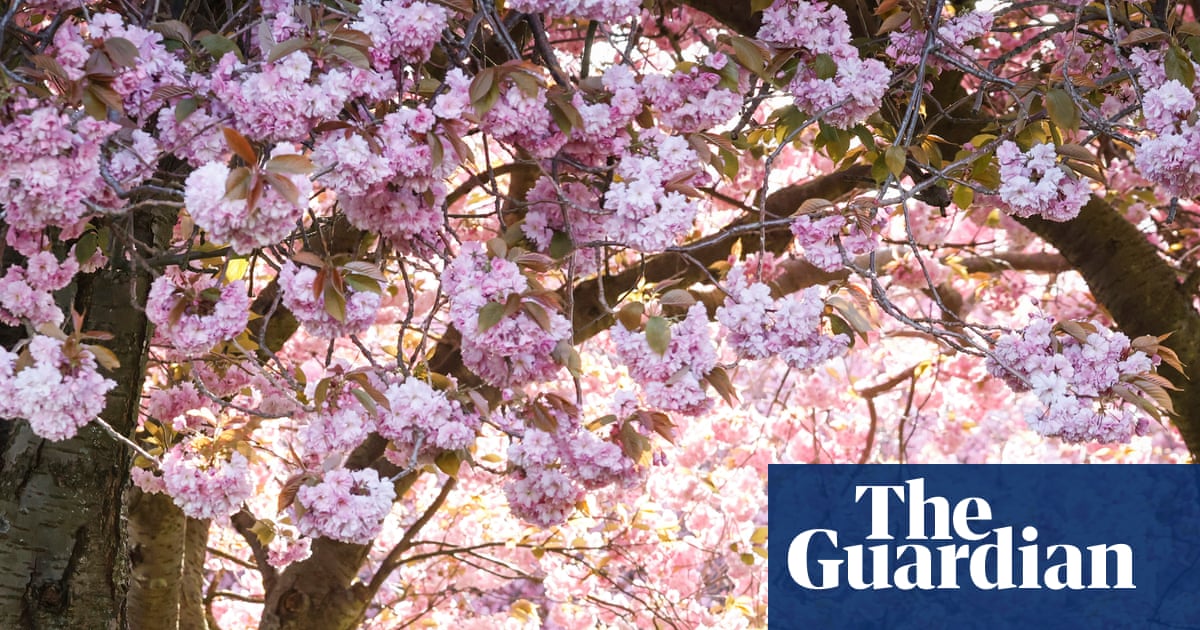
"Climate breakdown has extended the pollen season in the UK and mainland Europe by between one and two weeks since the 1990s, adding itchy eyes and runny noses to the harm wrought by fossil fuel pollution."
"Warm weather and high concentrations of carbon dioxide let plants pump out more pollen, triggering allergic reactions in people with hay fever and leading to symptoms that range from mildly irritating to life-threatening."
"The latest review of climate-health impacts in Europe found the pollen seasons for birch, alder and olive trees began between one and two weeks earlier in 2015-24 than in 1991-2000."
"Pollen allergies are a health risk of climate change, with invasive species like common ragweed projected to become a common health problem across Europe as it expands into areas in which it is currently rare."
Since the 1990s, climate change has lengthened pollen seasons in the UK and mainland Europe by one to two weeks. This extension has resulted in increased allergic reactions, affecting millions of people. Higher temperatures and carbon dioxide levels contribute to greater pollen production, exacerbating symptoms for those with hay fever. A recent review found that birch and alder pollen seasons have intensified by 15-20% in certain regions. Invasive species like common ragweed pose additional health risks as they spread across Europe due to climate change.
Read at www.theguardian.com
Unable to calculate read time
Collection
[
|
...
]