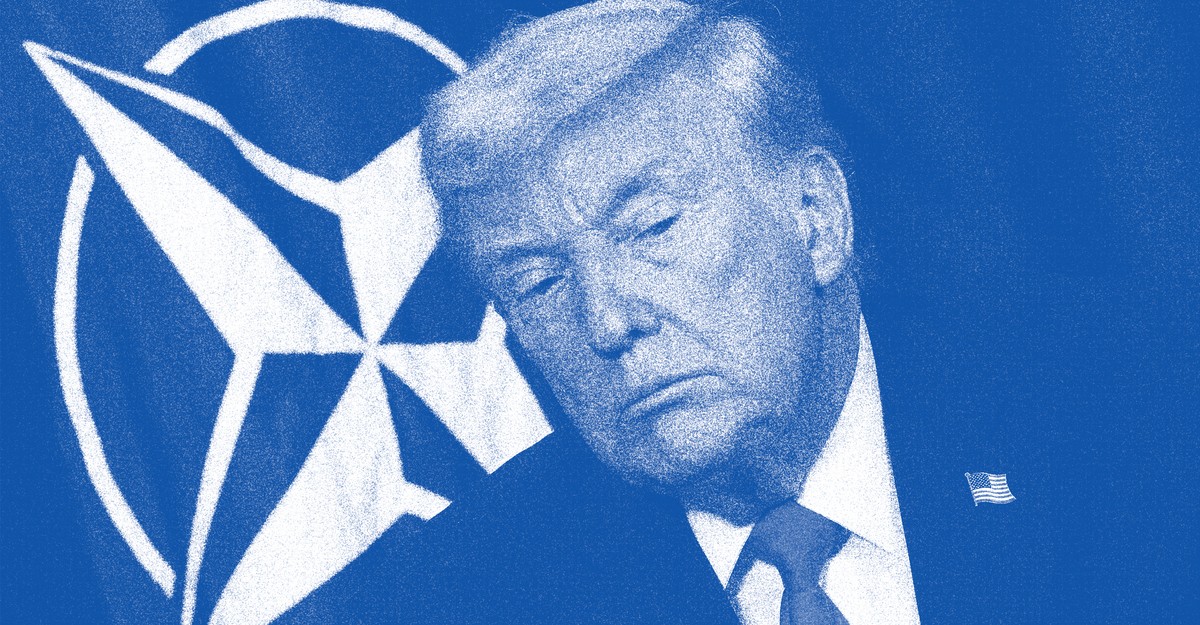
"American officials told Europeans to look after their own interests. Specifically, the Pentagon advised counterparts in Berlin to concentrate on NATO's eastern flank while the United States managed Iran and the rest of the Middle East."
"After President Trump's hope for a swift victory faded, he began lashing out at NATO for not doing enough to help the United States. Inside the Pentagon, the team managing military relations with NATO allies was about to take a hit."
"The crisis became apparent when stalemate conditions took hold in the Middle East. Iran effectively blocked the Strait of Hormuz, sending gas prices soaring and depleting key U.S. weapons stockpiles."
The Trump administration did not consult NATO allies before initiating military actions against Iran, instructing them to focus on their own interests. U.S. officials expressed confidence in managing the situation independently. However, as the conflict dragged on, President Trump criticized NATO for insufficient support. The reassignment of a key NATO policy director further strained U.S.-European cooperation. The conflict led to a stalemate, with Iran blocking the Strait of Hormuz, resulting in rising gas prices and depleting U.S. military resources, exacerbating Europe's existing economic challenges from the war in Ukraine.
Read at The Atlantic
Unable to calculate read time
Collection
[
|
...
]