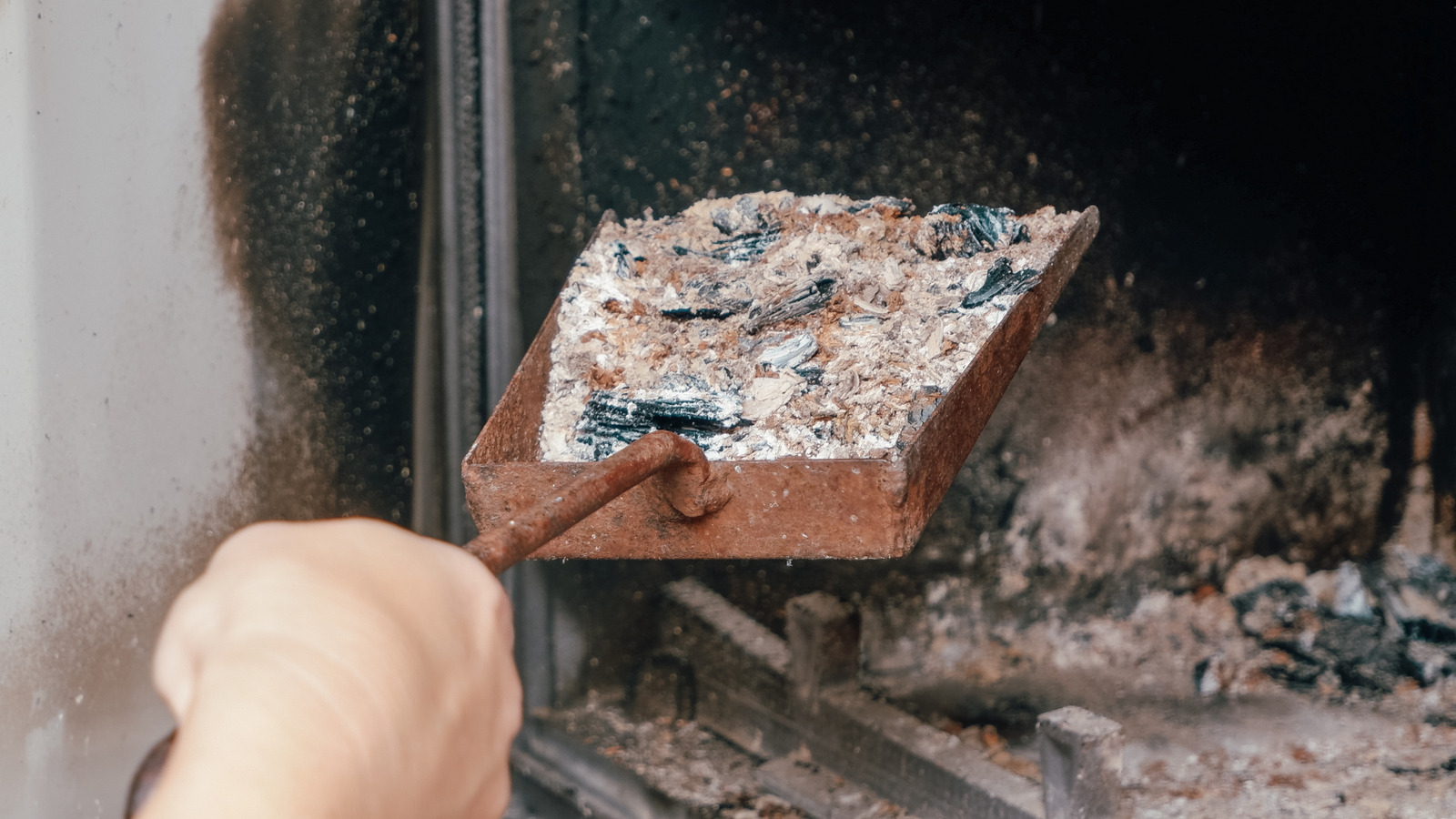
Wood ash is a valuable byproduct for home gardeners seeking affordable fertilization. Rich in calcium carbonate (20%), potassium (5-10%), and micronutrients like phosphorus, magnesium, sulfur, iron, aluminum, manganese, boron, and zinc, wood ash promotes plant growth, flowering, and fruiting. Its gritty texture also deters slugs and pests. Application involves sprinkling approximately 2 ounces per square yard across garden beds and gently raking it into soil once yearly during winter. Wood ash benefits vegetables, flowerbeds, trees, shrubs, and lawns while avoiding newly planted areas. However, excessive application can become toxic or create nutrient deficiencies, requiring careful consideration of soil type and plant species.
"Wood's primary element is calcium carbonate (roughly 20% by volume), and it also contains potassium (5% to 10%) and micronutrients including phosphorus, magnesium, sulfur, iron, aluminum, manganese, boron, and zinc - all of which help promote plant growth, flowering, and fruiting."
"For edible gardens, sprinkle a thin layer of ash (roughly 2 ounces per square yard) across the top of your garden bed, then gently rake it into the soil. Repeat this process just once per year, ideally during the winter season, to avoid harming freshly-planted spring buds."
"Wood ashes should be used sparingly, as too much can become toxic to your plants or (ironically) create a nutrient deficiency. Also, not all plants and soil types benefit from them."
Read at Tasting Table
Unable to calculate read time
Collection
[
|
...
]