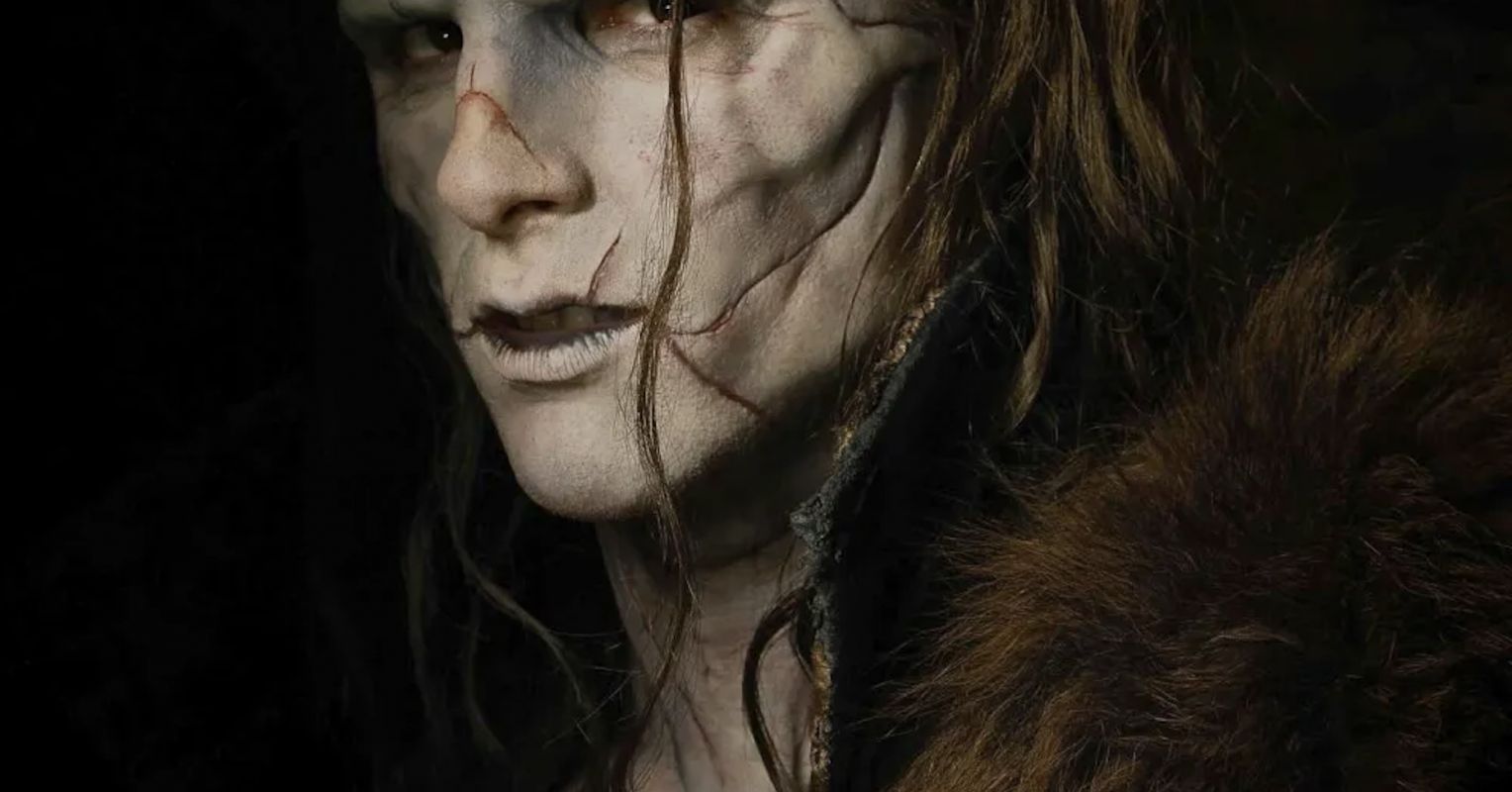
"What features of Frankenstein's creature make him fearsome to villagers who stumble upon him in the forest? Is it his imposing height, his torn jacket, or his face, pallid and crisscrossed with deep scars? The new film's director, Guillermo Del Toro, says that "the most interesting landscape in the world is the human face," and this is a face from which we have much to learn. 1"
"There is little scientific consensus on whether our bias against people with physical anomalies is innate or learned. One theory is that a facial wound signals disease or poor survival skills. It would have been evolutionarily advantageous for others to distance themselves from people with anomalies. Whether or not these signals are the origin of the common bias, the prejudice is unwarranted."
"To better appreciate how deeply rooted this bias is, researchers at the Penn Center for Neuroaesthetics (PCfN) looked toward a hunter-gatherer tribe, the Hadza, in northern Tanzania, with little exposure to Western ideas of beauty. As a group, the Hadza did not show a facial anomaly-is-bad bias. However, the more exposure a tribe member had to culture outside their own, the less they thought the scarred faces "had a good heart." 4"
People with facial anomalies such as burns, scars, and paralyses are commonly perceived as less moral, less competent, and less trustworthy, a pattern labeled the anomalous-is-bad stereotype. Evolutionary explanations propose that facial wounds could signal disease or reduced survival ability, encouraging avoidance, but the prejudice is unjustified. Cross-cultural evidence from the Hadza shows minimal bias, while increased exposure to outside culture correlates with stronger negative judgments of scarred faces. Filmmakers disproportionately mark villains with facial anomalies and dramatize those features, amplifying cultural learning and reinforcing negative associations with facial differences.
Read at Psychology Today
Unable to calculate read time
Collection
[
|
...
]