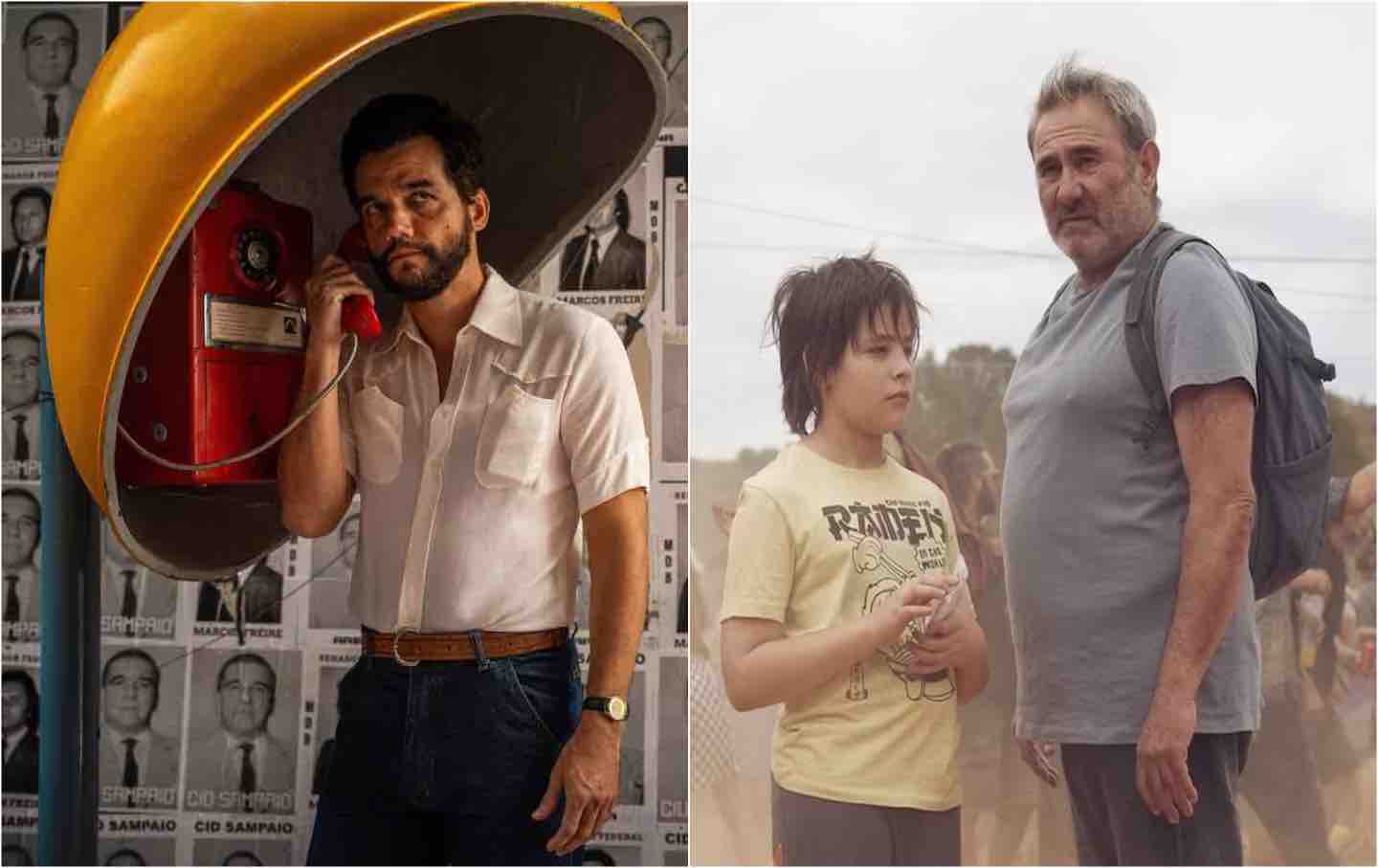
"In Sirāt, a band of ravers drive deep into the Moroccan desert searching for the next gathering where they can dance freely. A father and son impulsively join them on a search for a missing daughter, despite their limited resources and a vehicle unfit for the treacherous terrain. The last rave they all attended was broken up by soldiers enforcing a mandatory evacuation in response to news that war has gripped the world outside the desert."
"From its opening scene-a shakedown of Armando Solimões (Wagner Moura) by local authorities at a rural gas station-Kleber Mendonça Filho immerses viewers in a world of casual corruption and clandestine violence endemic to authoritarian rule. Anyone who can be cheaply characterized as "left wing"-academics, scientists, and members of queer and minority communities-are routinely targeted by those in power."
"One raver asks another, "Is this the end of the world?" The other raver replies, like a cheeky punch line to a bad joke, "It's been the end of the world for a long time.""
This year's Oscar-nominated international feature films examine life under tyranny through distinct narratives. Sirāt follows ravers and a searching family journeying through the Moroccan desert during an unspecified global conflict, where characters recognize ongoing oppression as normalized reality. The Secret Agent depicts Brazil's 1964-1985 military dictatorship through the experiences of political dissidents, academics, scientists, and marginalized communities systematically targeted by authorities. Both films contrast speculative and historical approaches to state-backed violence and control. The international feature category includes five films collectively confronting authoritarian oppression, including works addressing Iranian political imprisonment and torture.
#authoritarianism-and-tyranny #political-resistance #international-cinema #state-oppression #oscar-nominations
Read at The Nation
Unable to calculate read time
Collection
[
|
...
]