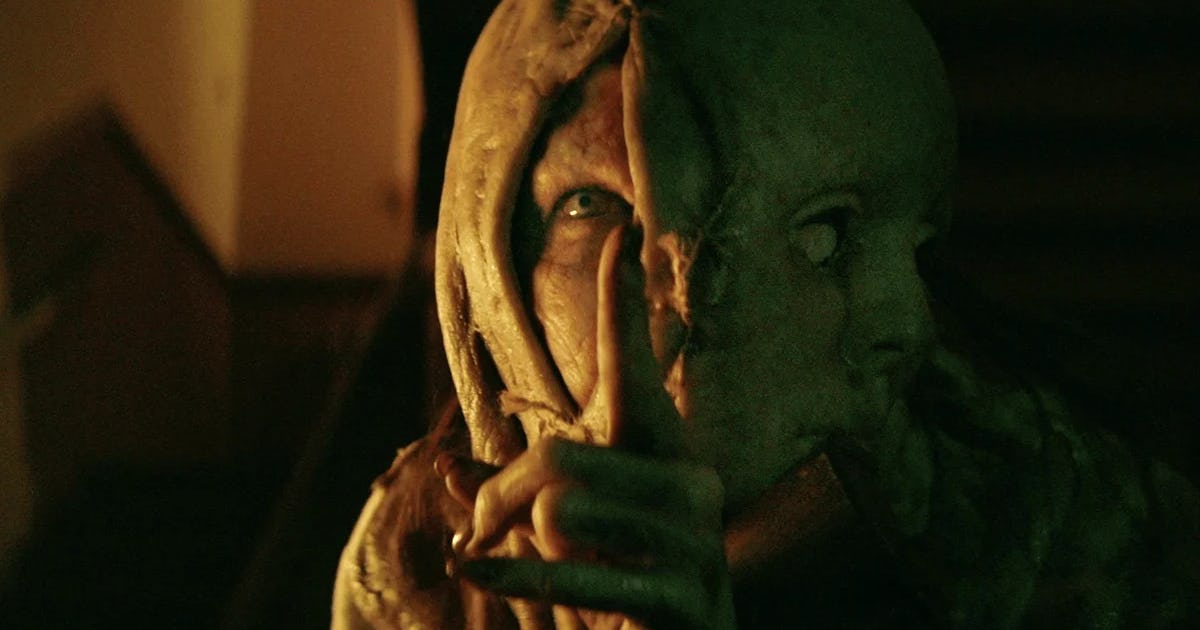
"It didn't take long for fans to see the effects - not only was it one of the inspirations behind 28 Days Later and the resurgence of zombie films in the early 2000s, but only six years after the first game's release, Resident Evil got a film adaptation of its own, courtesy of Paul W.S. Anderson."
"While the Anderson Resident Evil film franchise was a huge financial success for Sony Pictures, the original came out at a time where adaptations (especially for video games) seemed to be ashamed of their source material, which meant six films spiraling off into their own convoluted continuity."
"Resident Evil: Welcome to Raccoon City certainly isn't topping anyone's list of the greatest zombie movies ever made; it's derivative to a fault with thin writing, and lacks the stylistic flair that had been so prevalent in adaptations of the franchise. But what it lacks in the post-Matrix kineticism of the Paul W.S. Anderson films, it more than makes up for in a commitment to the story of the games."
Resident Evil's cinematic atmosphere made it ideal for film adaptation, inspiring the zombie film resurgence of the early 2000s. Paul W.S. Anderson's six-film franchise achieved financial success but diverged significantly from source material into convoluted continuity. Fans subsequently demanded adaptations faithful to established game canon. The 2021 reboot Resident Evil: Welcome to Raccoon City, though derivative with thin writing and lacking stylistic flair, commits substantially to the games' narrative by combining events from the first two games, following S.T.A.R.S. and rookie cop Leon S. Kennedy through Raccoon City's horrors.
#resident-evil-adaptation #video-game-film-adaptation #source-material-fidelity #zombie-horror-films
Read at Inverse
Unable to calculate read time
Collection
[
|
...
]