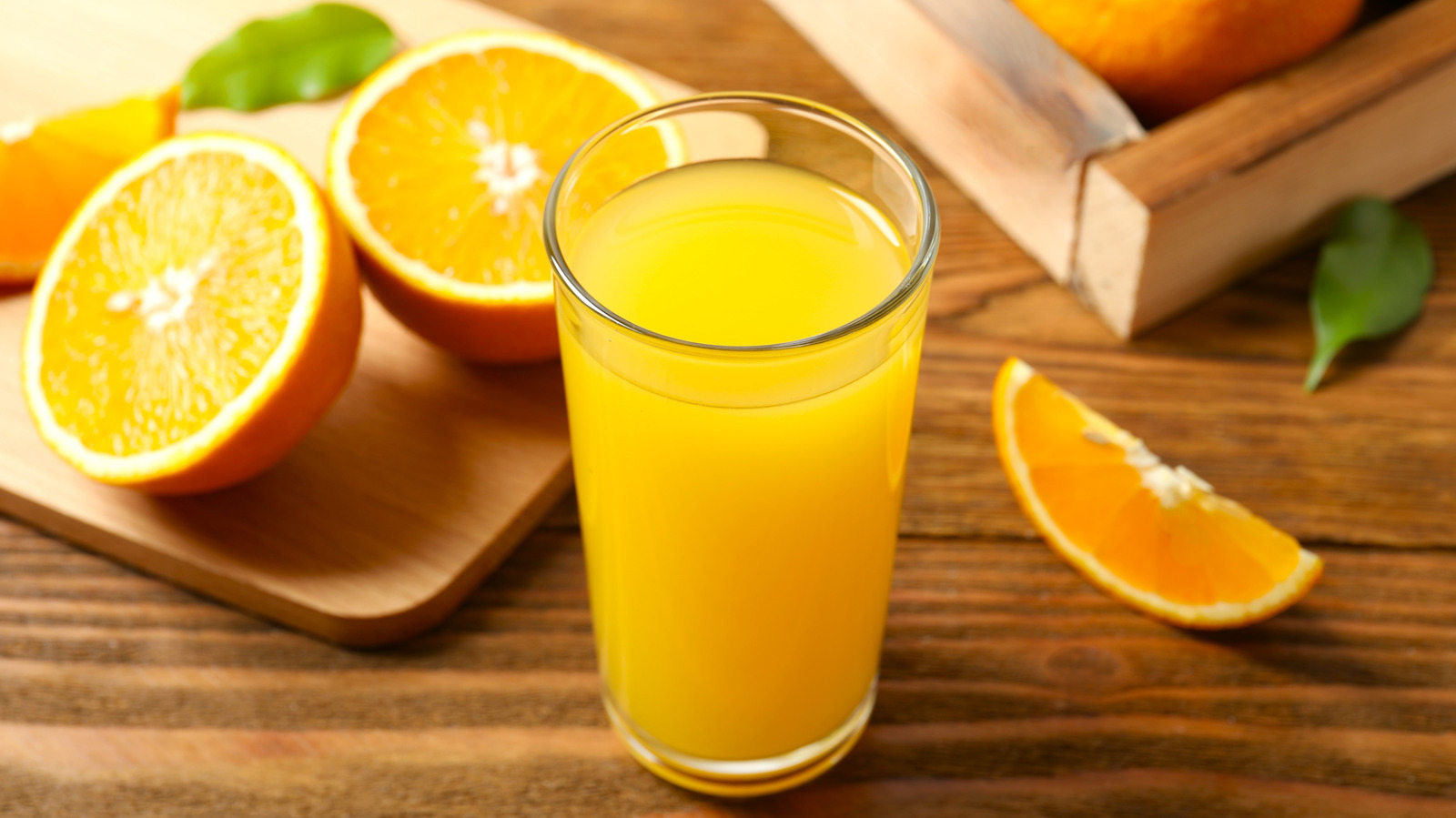
"The latter is not only brighter, but it also tastes more balanced, with a subtle sweetness that's smooth on the palate. Bottled juice, meanwhile, can almost pack too much of a punch, especially if it contains added sugar. When I first moved to the U.S., it took a while to get used to, but there's no denying that store-bought orange juices are convenient - and, sometimes, that just wins."
"If you've ever been to southern Europe, you'll have noticed a few pieces of equipment behind the counter at every café. An espresso machine is a necessity, an ice cream scoop is usually somewhere to be seen, and, if you look closely, you'll likely spot a citrus juicer, too. This is because when you order juice in a lot of European countries, the norm is to be handed a freshly-squeezed glass - and a lot of people would be horrified to serve you anything else."
Cafés in southern Europe routinely offer freshly-squeezed juice, with espresso machines and citrus juicers commonly visible behind the counter. Fresh juice appears brighter and tastes more balanced, offering a smooth, subtle sweetness, while bottled juice can taste overly forceful and often contains added sugar. Store-bought orange juice offers convenience despite flavor differences. Some popular oranges, such as Navels, do not make the best juice and have different seasons. Making juice at home requires many oranges, knowledge of varieties and seasons, and can be messy. Simple methods like a knife or hands are possible, but hand reamers are cumbersome and messy.
Read at Tasting Table
Unable to calculate read time
Collection
[
|
...
]