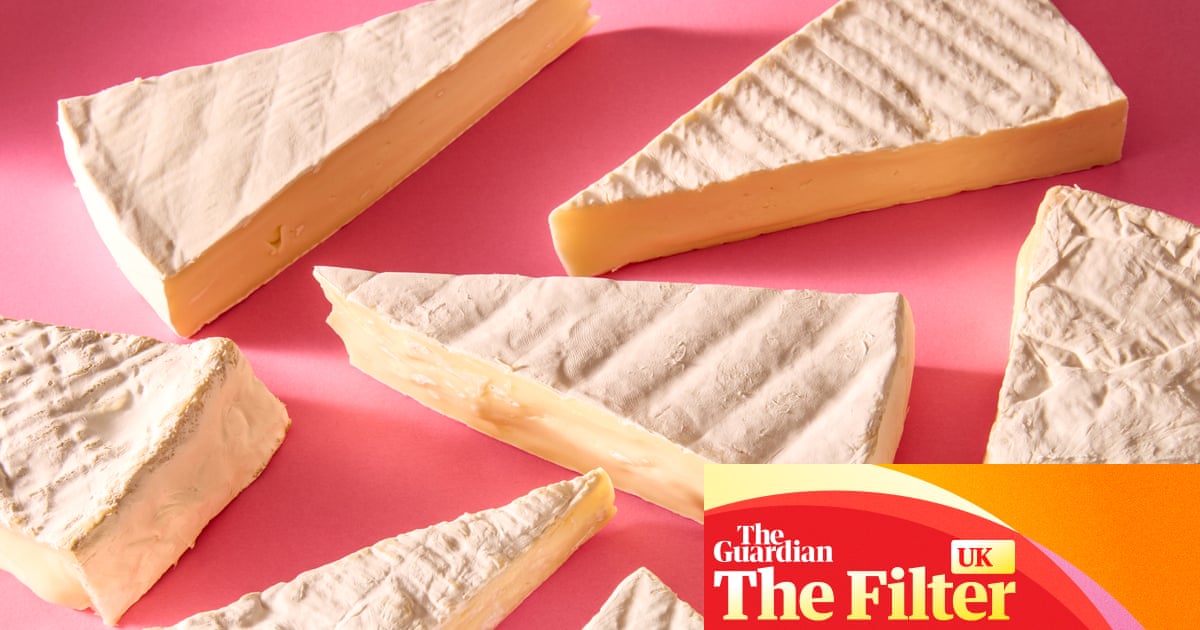
"Gently warmed milk is separated into curds with rennet, then inoculated with Penicillium candidum (sometimes called P camemberti), which gives it that characteristic flavour and white mould rind. It's then transferred to moulds, salted and ripened for a month or longer."
"Packaging, long storage and refrigeration tend to intensify the natural farmyardy ammonia created by the ripening process, and by giving the cheese time to breathe, those intense aromas soften and dissipate."
"A well-aged wedge with a brown-and-white rind. Packed in a wooden carton to hold together its gooey form. A sweet and funky aroma, soft, and with an aerated centre that melts into an oozy blob. Floral sweetness with a sour twang."
Brie is a simple pleasure combining soft, white, mould-ripened cheese with bread, requiring no special equipment and suitable for any setting. Made from raw or pasteurised cow's milk, the production process involves separating warmed milk into curds using rennet, then inoculating with Penicillium candidum to create the characteristic flavour and white mould rind. The cheese is transferred to moulds, salted, and ripened for a month or longer. Originating from the Brie region in northern France, brie should be tasted at room temperature after at least an hour's rest to allow intense ammonia aromas from packaging and refrigeration to soften and dissipate.
#brie-cheese #french-cheese-production #cheese-tasting #mould-ripened-cheese #cheese-selection-guide
Read at www.theguardian.com
Unable to calculate read time
Collection
[
|
...
]