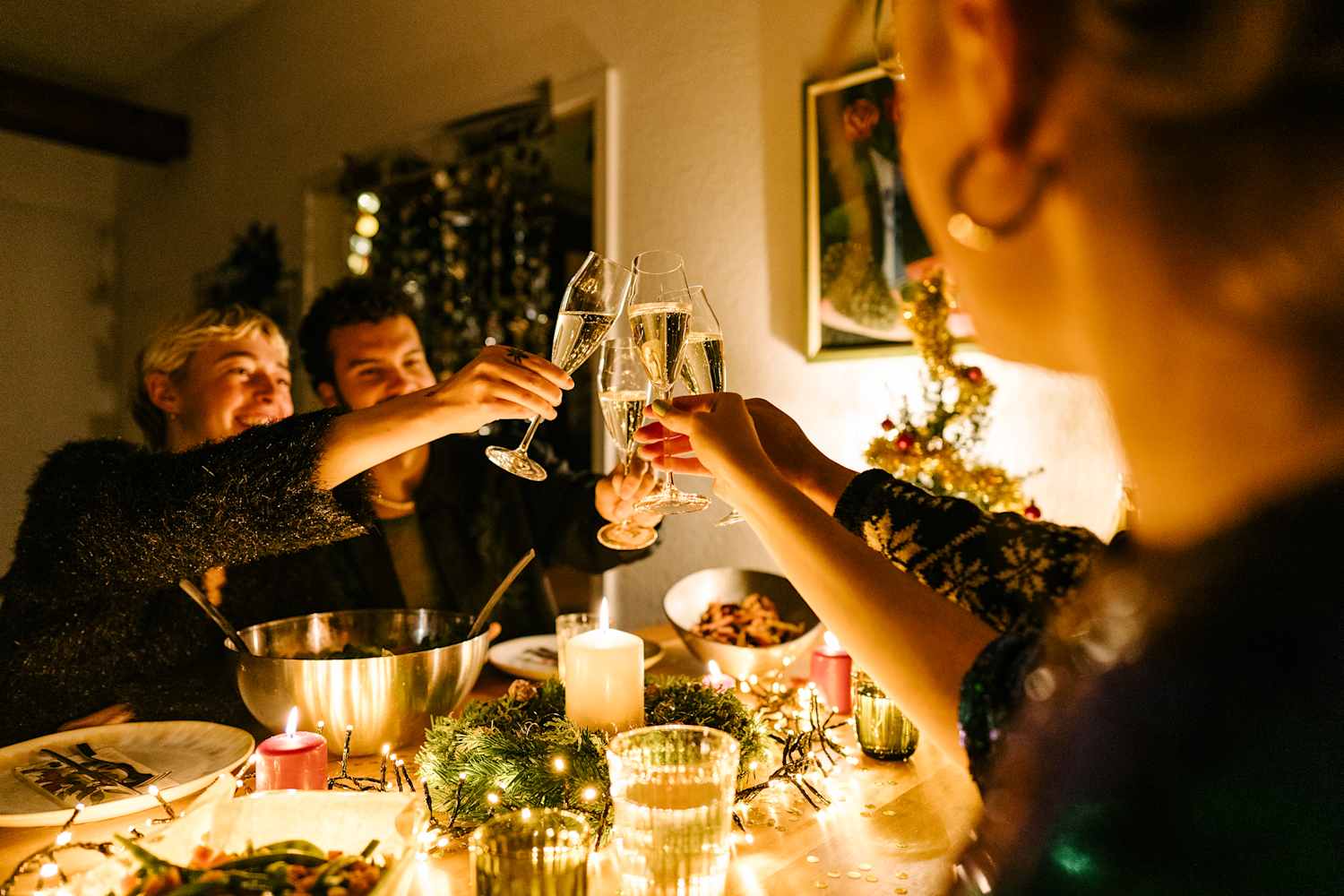
"In my Filipino family, the holiday season starts the second the "ber" months come around. That means numerous karaoke sessions, friends and family crowding the living room, and so much food. Growing up, I used to think the overflowing dishes in our sink and frantic trips to Costco before parties were just because of my overprepared parents, but entering adulthood made me realize it was actually part of my parents' unspoken rule of hosting: No one should ever leave hungry."
"The way our guests are lovingly pushed to take leftovers home makes me think of pasalubong, our tradition of bringing something back for others. With every packed container, I'm reminded that care in Filipino hospitality doesn't end when the meal does. To fully understand why leftovers are sacred in my culture, it's important to first understand the concept of pasalubong, which are gifts brought back to our home country after a trip and given to the people closest to us."
Filipino holiday season begins with the 'ber' months and centers on loud family gatherings, karaoke, crowded living rooms, and abundant food. Feeding guests functions as a core expression of care, demonstrated by overflowing dishes, frantic grocery runs, and a hosting rule that no one should leave hungry. Leftovers and to-go boxes extend hospitality beyond the meal, mirroring pasalubong—the practice of bringing gifts home to show thoughtfulness during time apart. Pasalubong takes many forms, from balikbayan boxes to extra checked bags filled with items for loved ones. Childhood practices of collecting outgrown clothes and packing extras reinforce the cultural prioritization of giving through food and goods.
Read at Apartment Therapy
Unable to calculate read time
Collection
[
|
...
]