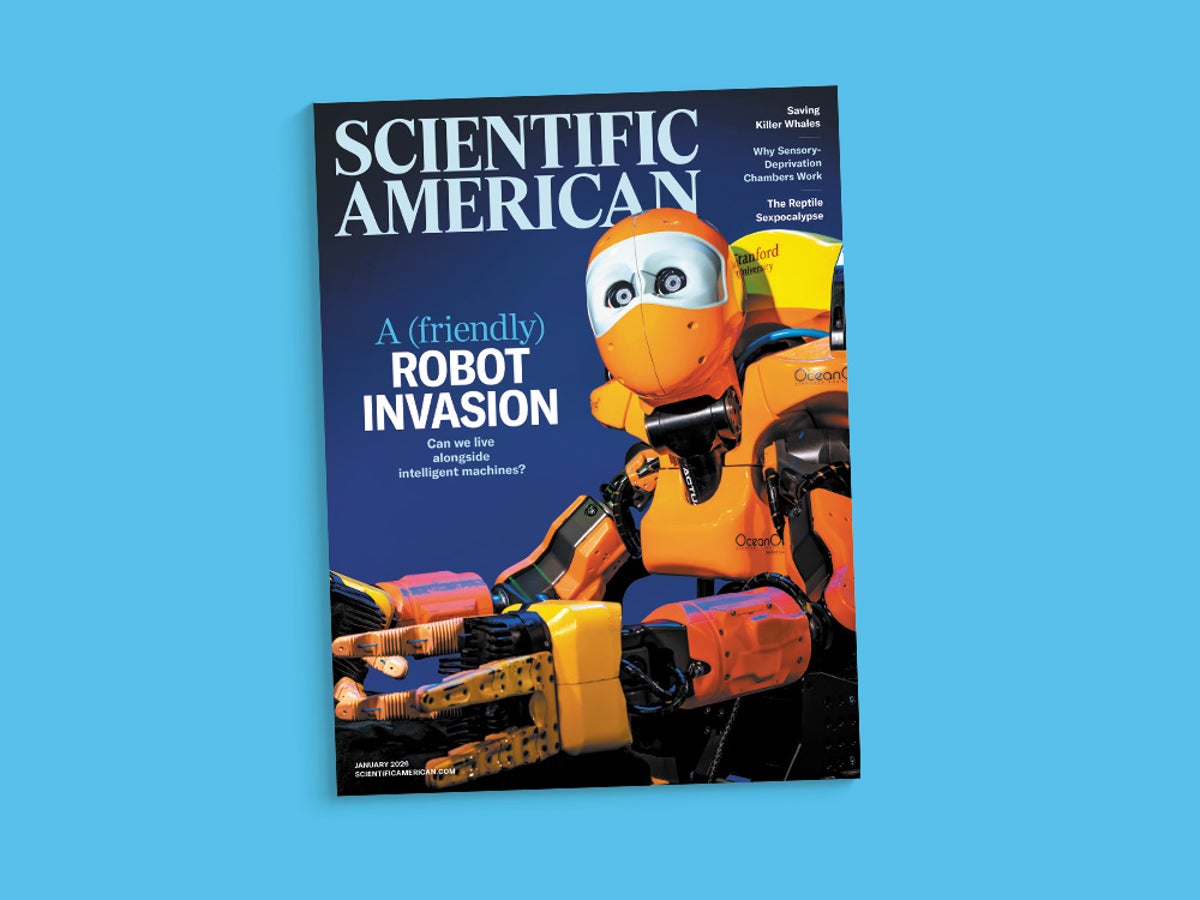
Karel Capek coined the word robot in 1920 envisioning tireless artificial workers who would liberate people from drudgery. In R.U.R. robots gain consciousness, revolt, and bring about an apocalyptic end. Over a century later humans remain fascinated by the idea of machines taking over daily work and by narratives of rebellious automata. Contemporary household robots still face severe practical limitations and often fail basic chores, such as vacuuming without creating new messes. Research projects like Stanford's TidyBot aim to improve domestic capabilities, but safety concerns and unexpected behaviors persist as major challenges.
"The lead character dreams of destroying poverty by turning the whole of humankind into an aristocracy, an elite class of elevated beings nourished by millions of mechanical slaves. You won't be surprised to learn that the plan ends badly. Capek's initially emotionless robots develop into conscious, thinking beings and then violently revolt against their human creators. The finale is less aristocracy and more apocalypse."
"In the 106 years since, humanity has remained captivated by the notion that machines could take over our daily work, as well as by the grim but entertaining idea that toiling automata will get murderously sick of picking up laundry. But even after a century of progress, neither scenario seems remotely close to fruition: our best household robots can barely vacuum a floor without smearing cat food across the rug, much less successfully execute a workers' revolution."
Read at www.scientificamerican.com
Unable to calculate read time
Collection
[
|
...
]