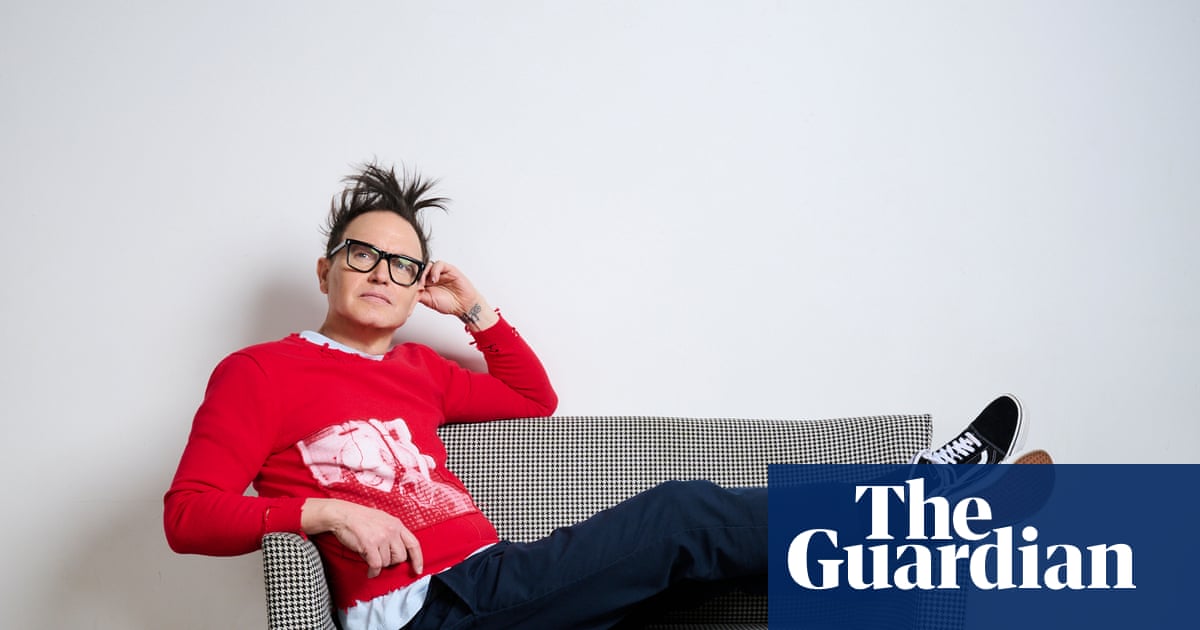
"We lived in London, but also had a 25-acre farm out in Somerset with a Georgian farmhouse that was built in 1750. A guy from the British Beekeeping Association, who worked at the local church, would come over and help me open up my hives and harvest the honey. It was crazy how much honey we got up to 150 jars a season. It was the best honey I've ever tasted."
"People would come over, lean in way too close with a glass of red wine and say: Is that really a Banksy? The more money it was worth, the more precious we got with it. Eventually, it was so much stress, we sold it and gave some of the money to charity. My charity is haematology oncology research. My wife volunteers at Children's Hospital Los Angeles. It was right after the fires in LA, so we wanted to donate to the Firefighters Association."
"I am very surprised I'm not dead. When I was diagnosed, my doctor said the good news was there was only one treatment for the type of cancer, so I didn't have to agonise over whether to choose radiation or surgery or try an experimental drug. The only treatment was R-CHOP chemotherapy, but it was still the worst chemotherapy you can undergo, and my doctor said: You only have a 60% chance of living through this and never having to deal with it again."
They kept chickens named Wendy, Holly and Josie and divided time between London and a 25-acre Somerset farm with a Georgian farmhouse built in 1750. A beekeeper from the British Beekeeping Association helped open hives and harvest up to 150 jars of honey each season, praised as the best tasted. A Banksy work was sold at Sotheby's in London for 4.3m amid concerns about damage and visitor behaviour; proceeds funded haematology oncology research, firefighter relief and investments in emerging artists. A cancer diagnosis required R-CHOP chemotherapy, described as crushing, with an estimated 60% chance of long-term survival.
Read at www.theguardian.com
Unable to calculate read time
Collection
[
|
...
]