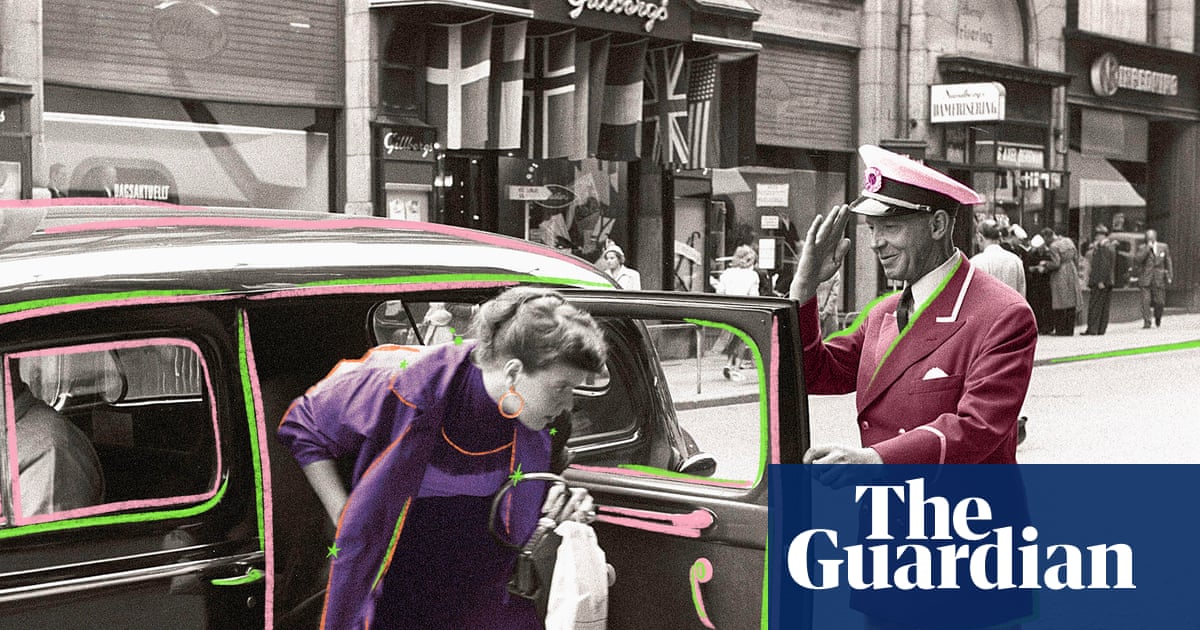
"I ordered another taxi and made my way out to wait in front of the motel, in despair that I might miss my flight. I stood on the dark footpath and spoke on the phone to my sister in Queensland about how I had missed my taxi and how unwell I felt. My health condition can affect my ability to think clearly, and I was telling her how my brain just wasn't working that day."
"Then the taxi arrived phew. Except, as the driver told me when I opened the door to get in, it wasn't for me. A well-dressed, professional-appearing man appeared out of the shadows and stood beside me. He must have overheard my conversation. The taxi was for him, but he asked the driver to take me too. I gratefully got in and, in conversation, explained my situation to the man and driver, who were both very kind."
"I noticed later that we were on the way to the airport and realised the gentleman had asked the driver not to drop him off at his destination, but to take me to the airport first. I tried to object but the man wouldn't hear of it. When we arrived, the gentleman wouldn't let me pay for the fare, and even hopped out to escort me inside the terminal and make sure I knew where to go and what to do."
A person with a chronic health condition missed a taxi after forgetting to adjust clocks for daylight savings and feared missing an early flight. The person called a sister and described feeling unwell and mentally foggy. A taxi arrived for another passenger who had overheard the conversation and insisted the driver take the traveler to the airport first. The stranger refused payment, escorted the traveler into the terminal, and provided clear instructions. The act of assistance produced overwhelming gratitude. The incident illustrates challenges of invisible illness and the meaningful impact of simple empathetic actions.
Read at www.theguardian.com
Unable to calculate read time
Collection
[
|
...
]